
Last updated November 17, 2026
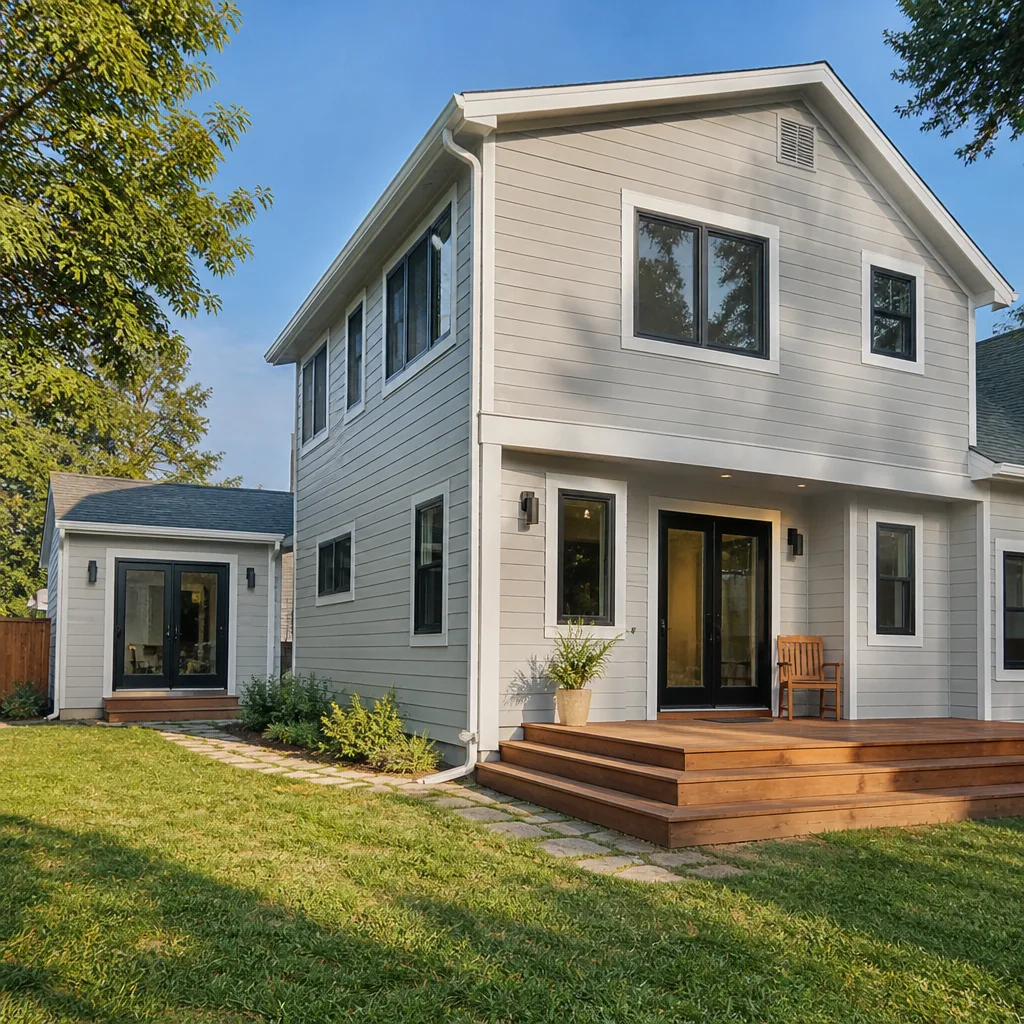 Home additions & ADU
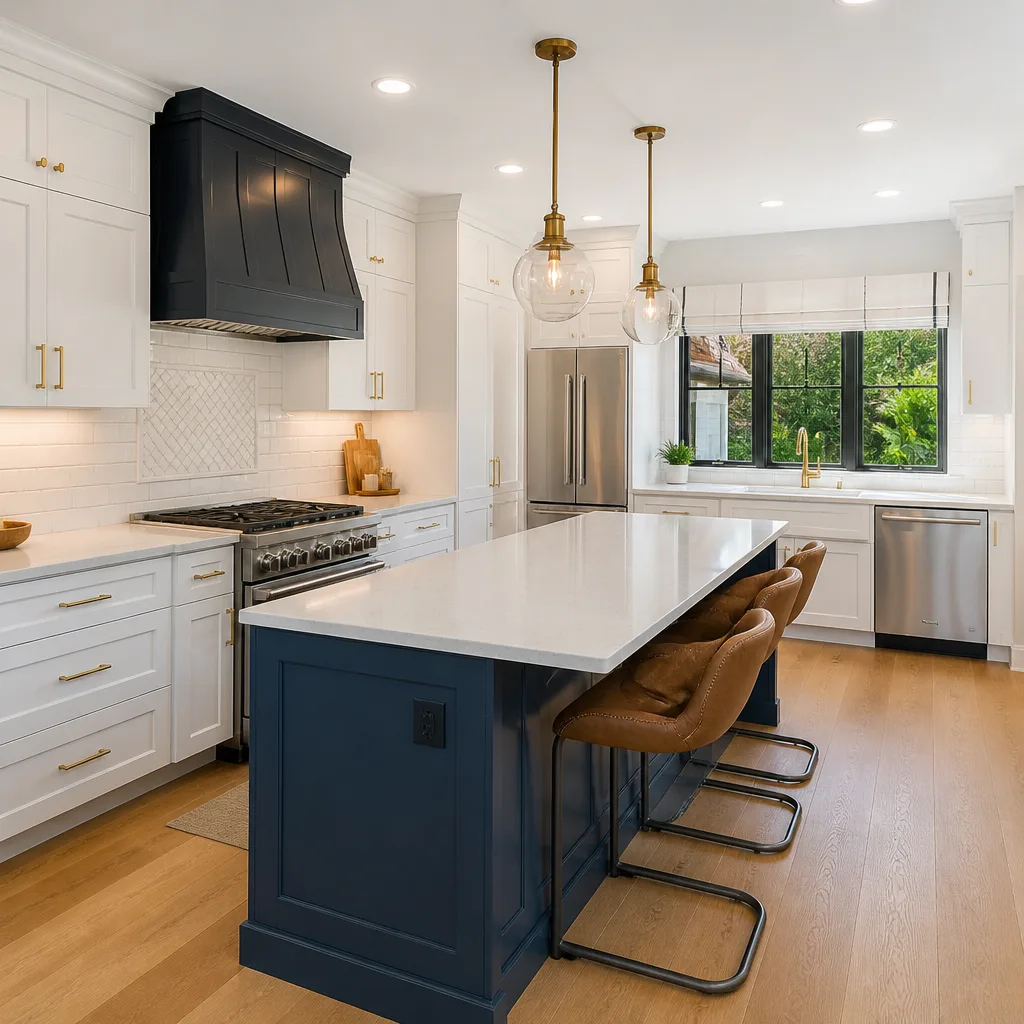 Kitchen remodeling
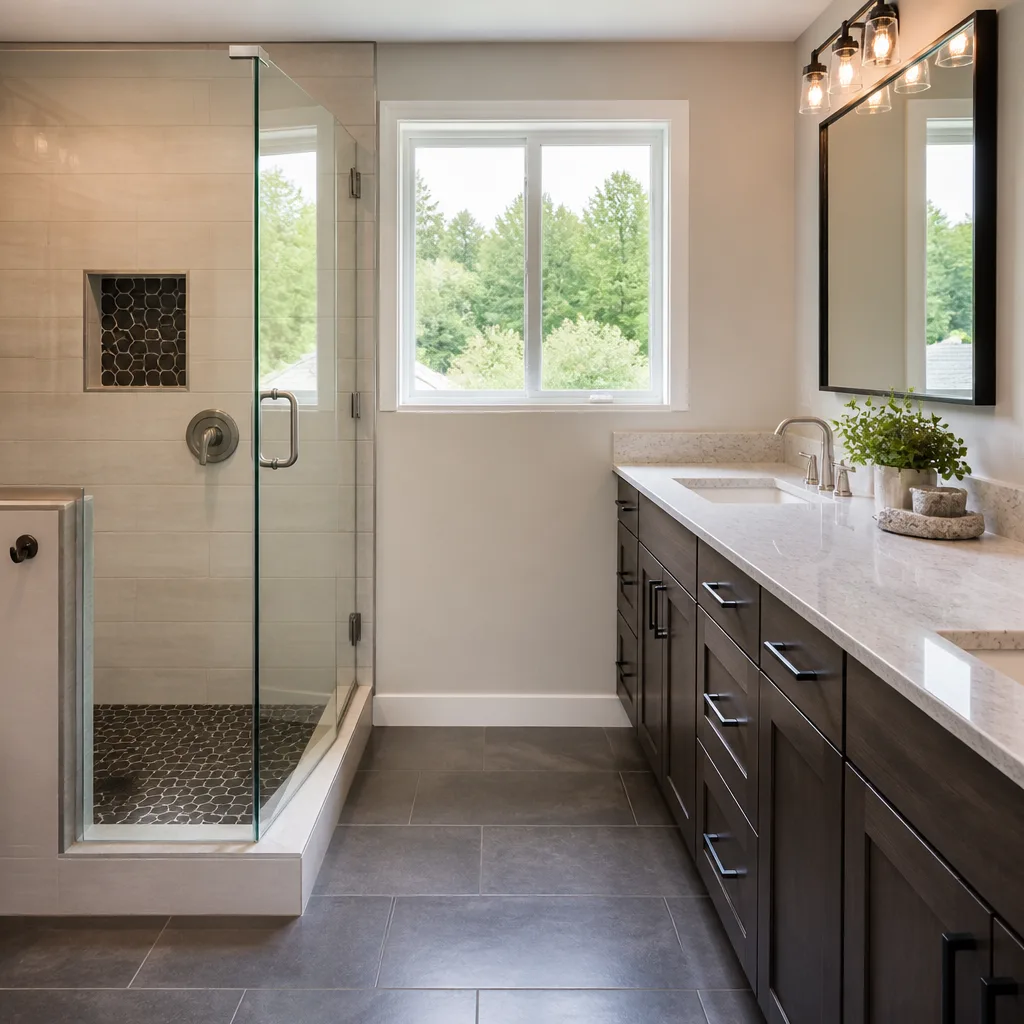 Bathroom remodeling
 Roofing
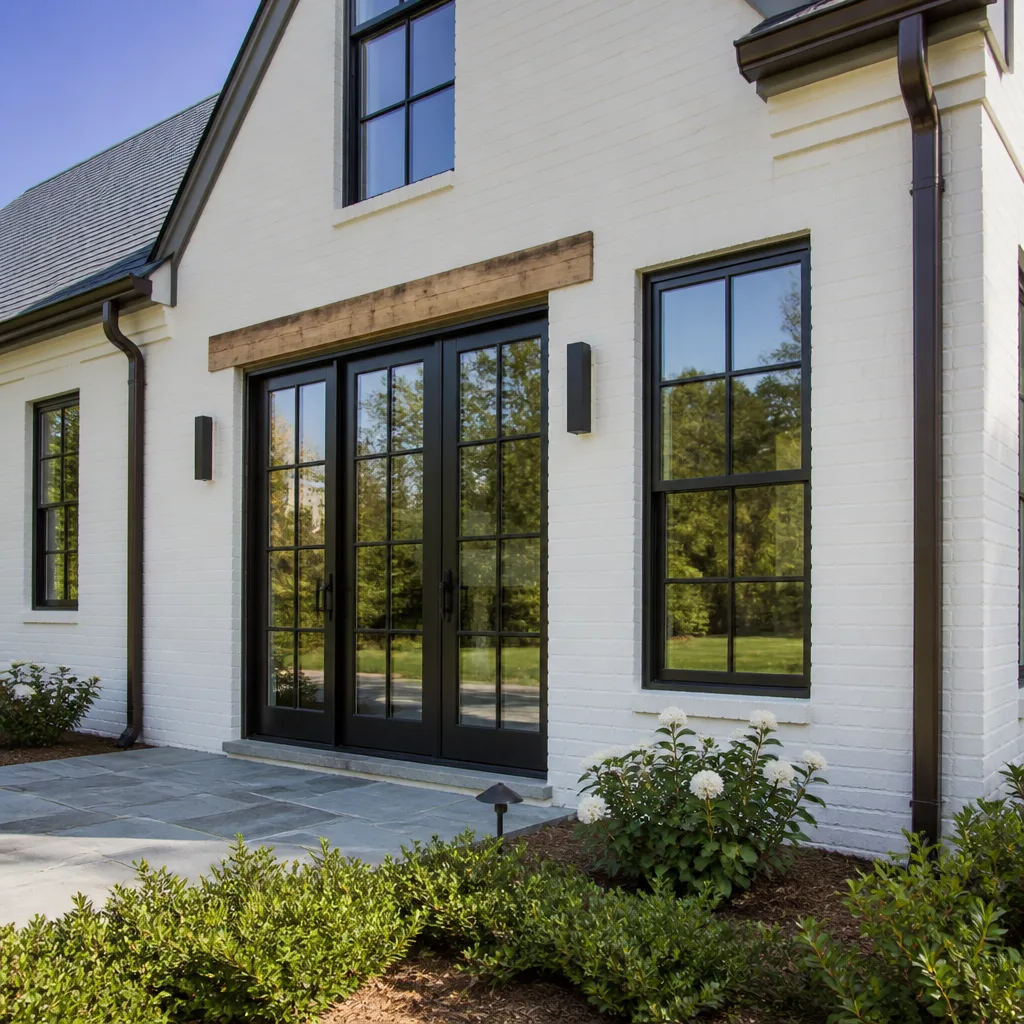 Windows & doors
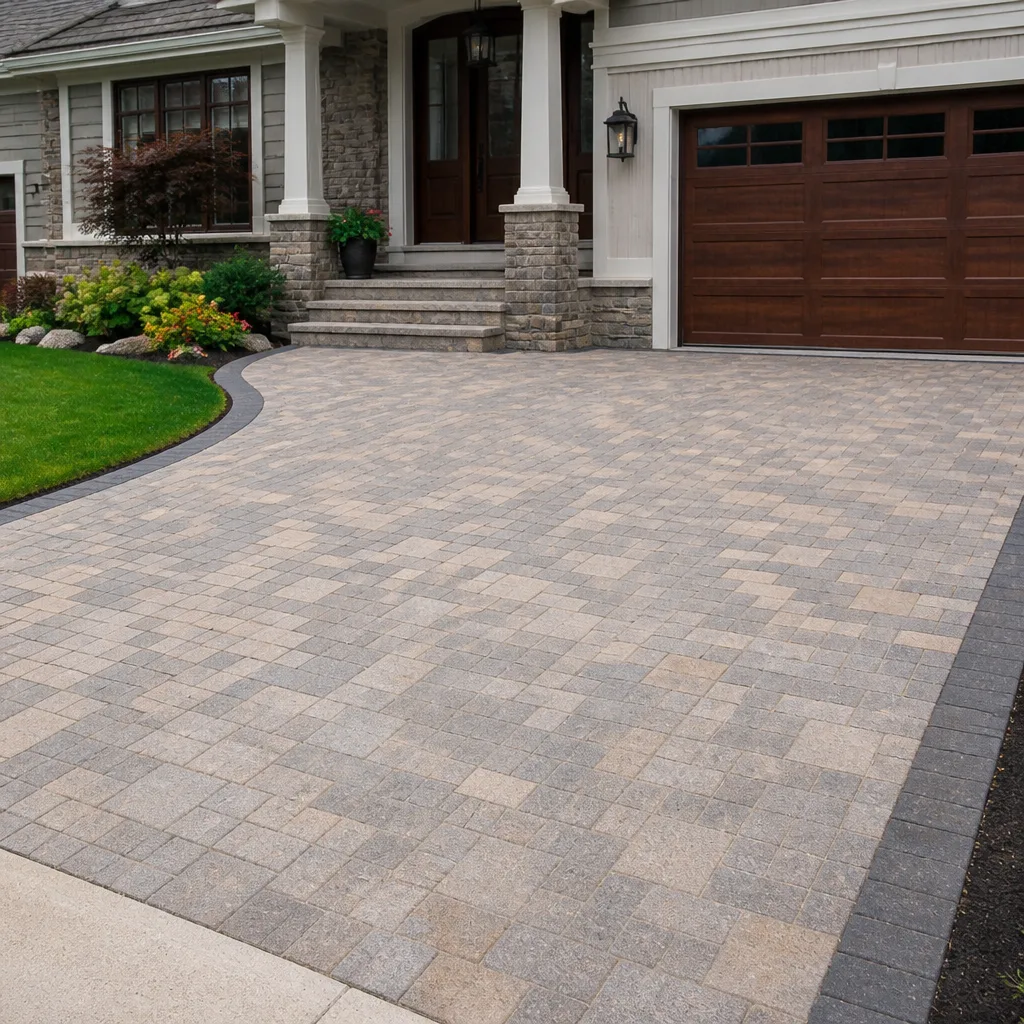 Driveway & pavers
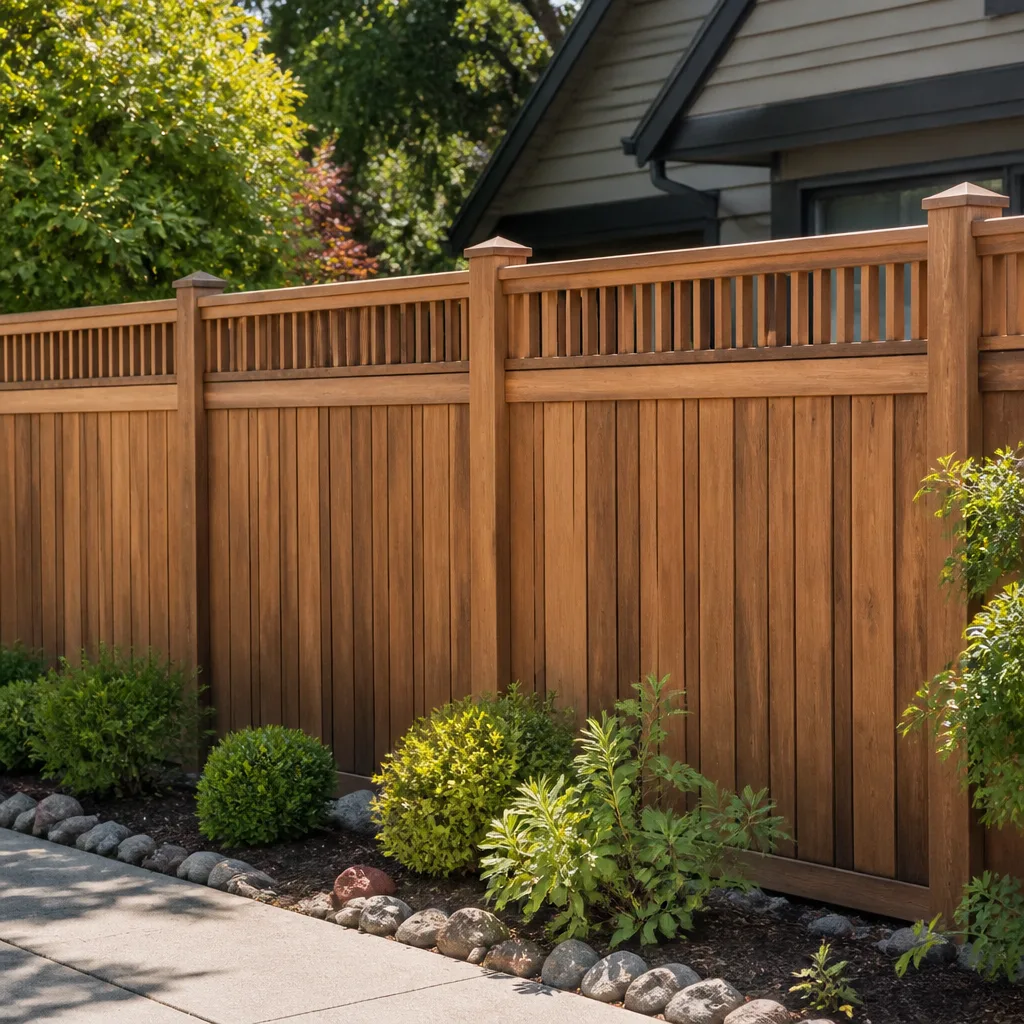 Fence
Free written scope consultation - allowances, timeline, and change-order rules on paper before a single trade is scheduled
DIY vs Professional Construction: The Burbank Homeowner’s Decision Guide
Most DIY advice treats the question as one of courage or confidence: are you handy enough to do it yourself? In Burbank, that’s the wrong question. The real question is one of exposure. A homeowner here can lay a paver patio in the backyard without a permit and be perfectly within their rights. The same homeowner who runs new electrical out to a future ADU has just created an unpermitted condition that surfaces on the next appraisal, complicates a sale, and isn’t something title insurance covers. This guide walks through what the City of Burbank actually lets you self-permit, what legally requires a licensed contractor, which projects become disclosure problems at resale, and how to blend the two approaches to cut total project cost without cutting corners.
Quick Answer
In Burbank, the DIY-versus-hire decision comes down to three filters: whether the work needs a permit, whether it touches a system that requires a licensed trade, and whether the finished work will appear on a resale disclosure. Cosmetic finish work, painting, patching, and simple hardscape under the local permit threshold are reasonable DIY territory. Structural work, electrical, plumbing, gas, roofing, and anything that changes a building’s footprint belong with a licensed contractor. When in doubt, self-perform the finishes and hire out the permitted scope.
Styles & brands we work with
- Kitchen remodeling
- Bathroom remodeling
- Home additions & ADU
- Roofing
- Windows & doors
- Driveway & pavers
- Fence
Table of Contents
- What Burbank’s Owner-Builder Permit Rules Actually Allow
- Tasks That Legally Require a Licensed Contractor in Burbank
- The Resale Disclosure Problem: Which DIY Projects Hurt Your Sale
- Realistic DIY Savings After Tools, Waste, and the Learning Curve
- Projects Where DIY Almost Always Costs More in the LA Market
- The Hybrid Approach: Self-Perform Finishes, Hire the Licensed Scope
- How to Choose the Right Contractor for the Licensed Portion
- Material Choices That Reward Professional Installation
What Burbank’s Owner-Builder Permit Rules Actually Allow
Burbank follows the California Building Code with local amendments, and like most California jurisdictions it recognizes an owner-builder exemption. This means a homeowner can, in some circumstances, pull a permit for work on their own primary residence without holding a contractor license. It does not mean you can do anything. The exemption is narrow, and the specific thresholds and inspection requirements change with local amendments, so the first stop for any Burbank project should be the Community Development Department at City Hall. Ask them, in plain terms, what your specific scope requires.
In practice, the split looks like this:
- Usually self-permittable for an owner-occupant: interior cosmetic remodels that don’t move walls, minor hardscape below the local threshold, fence replacement at legal height, and non-structural repairs.
- Usually requires a licensed contractor: new electrical circuits, panel work, gas line alterations, plumbing beyond simple fixture swaps, structural changes, roof replacement, and anything changing a building’s footprint.
- Commonly needs a design professional first: additions, ADUs, and any project that triggers plan review because of size, zoning, or hillside location.
The owner-builder designation also carries real risk. If you self-permit and the finished work fails inspection or develops a defect, you have no contractor’s license bond, no workmanship warranty, and no recourse against a third party. You also become the responsible party on the record. That record follows the property. Our Construction Burbank team fields questions about this weekly, and the honest answer for most homeowners is that self-permitting sounds cheaper than it usually turns out to be.
One more thing most DIY guides skip: an owner-builder permit doesn’t automatically pass to a future buyer, and it doesn’t exempt you from the other inspections the city requires (engineering, energy, green building). Ask the permit counter directly which of these apply to your scope before you start swinging a hammer.
Tasks That Legally Require a Licensed Contractor in Burbank
California’s Contractors State License Board enforces trade licensing by specialty, and Burbank enforces it at the permit counter. There are categories of work where a contractor license is simply required no matter how capable you are with tools. These are the hard lines.
- Electrical beyond a fixture swap. New circuits, sub-panels, service upgrades, and any wiring inside a wall need a licensed electrician or a general contractor carrying the appropriate classification. The city will not accept an owner-builder electrical permit for most multi-family or non-owner-occupied properties.
- Gas line work. Any alteration, new appliance connection, or relocation of a gas line. This is a hard safety line, not a paperwork formality. A leak is a real risk, and a licensed plumber signs off on the pressure test.
- Plumbing system changes. Replacing a water heater, adding a bathroom, or rerouting drain lines. Simple swap-in faucet or disposal changes can often be self-performed; the rough-in plumbing cannot.
- Structural work. Any change to a load-bearing wall, a foundation, or a roof structure. This triggers engineering review and requires a contractor who carries the right license and liability coverage.
- Full roof replacement. While a homeowner can technically self-permit a roof on an owner-occupied single-family home, most Burbank roofs need an energy compliance review and the manufacturer’s warranty is void without licensed installation.
- Anything on a property you don’t occupy. The owner-builder exemption is for owner-occupants. Rental property or investment property does not qualify.
The safest reading: if the work opens a wall, touches a utility, or changes the structure, hire it out. If it changes a color, surface, or fixture, you probably can self-perform. Where a project straddles that line, a free estimate is a cheap way to find out where the line actually sits. Our team walks through permitted versus non-permitted scope on every estimate.
The Resale Disclosure Problem: Which DIY Projects Hurt Your Sale
California’s transfer disclosure statement requires a seller to disclose known material defects and any unpermitted work. That’s the practical reality. A well-finished DIY kitchen that never required a permit is generally fine. A finished garage conversion that involved new electrical, plumbing, and structural changes, done without permits, is a problem. It sits on the buyer’s inspection report, it sits on the appraiser’s desk, and it can slow a sale or force a price concession.
Which projects commonly become a resale disclosure issue:
- Unpermitted garage conversions or ADUs. Burbank has specific rules on ADU size, setbacks, and parking. A conversion that doesn’t meet them is exposed at appraisal and can’t be counted toward the home’s livable square footage.
- Unpermitted additions. Same problem, bigger stakes. An addition without a permit is usually treated as an unpermitted enclosure, not a room.
- Electrical panel upgrades done without a permit. A new sub-panel or service without the utility’s sign-off creates a hard flag on the buyer’s inspection.
- Roof replacements without permit or manufacturer warranty. Not a code violation in every case, but a buyer’s inspector will ask, and the answer “we did it ourselves” costs you negotiating room.
- Structural repairs without engineering. Any beam, post, or footing work done by someone without an engineering stamp is a title problem in the making.
In our experience, the cost of getting a licensed contractor to handle the permitted portions of a project is usually less than the price concession a buyer asks for after a bad inspection. Insurance is the other half of that equation: standard homeowner policies exclude unpermitted work from coverage in a claim, and title insurance specifically does not cover it. The Burbank real estate market rewards well-documented, permitted improvements. If you’re planning an addition or ADU, our team can talk through the permitted scope so the finished project adds real equity rather than creating a disclosure headache. See how we approach home additions & ADU projects.
Realistic DIY Savings After Tools, Waste, and the Learning Curve
Here’s where the DIY math usually breaks down. The number most homeowners calculate is (material cost – labor cost = savings). The real number includes tool rental, material waste, disposal, and the cost of redoing the first attempt. In Burbank, with contractor overhead at LA market rates, that gap is real but it’s smaller than the spreadsheet suggests. The honest range for a first-time DIY finish project is 15 to 30 percent savings versus a pro, and only if the project runs without a major correction.
What to add to the DIY budget line by line:
- Tool rental and one-time purchase. A tile saw, a wet saw, a nail gun, a compressor, a hammer drill. Rental in the LA area runs a daily rate plus blade and bit costs, and multiple rental days quickly eat the labor savings.
- Material waste. First-time installs run 10 to 15 percent material waste on tile, pavers, and trim. An experienced installer runs under 5 percent because they know the layout math.
- Disposal fees. Old flooring, cabinet tear-out, and paver cuts need a dumpster or multiple bin loads. In Burbank, a small dumpster is a real number on the ledger.
- The learning curve tax. The first-timer’s cost on a project is time, and time is real when you’re taking Friday off or staying up after work to lay tile.
- The correction cost. If you tear out an improperly laid floor to redo it, you’ve paid twice for the same square footage.
The projects where DIY savings actually hold up are ones where material waste is low, the layout is simple, and a mistake is invisible. Painting is the best example. Simple trim and baseboard work. Interior door swaps. Replacing fixtures. Wrapping shelf liner. None of that requires a permit or risks a disclosure. Where the savings collapse is on anything with grout, mortar, or a waterproofing layer. Bathroom waterproofing done wrong costs more to fix than to have hired. Our team has walked into enough half-finished bathroom tile jobs to know that the money saved upfront rarely survives the correction.
Projects Where DIY Almost Always Costs More in the LA Market
Some projects in the LA market are structurally cheaper with a professional because of material minimums, disposal economics, and licensing overhead. DIY can technically work; the total cost rarely does. Here’s where we see the math most often flip against a homeowner.
- Full bathroom remodels. Waterproofing is a code requirement and a warranty issue. The layers (cement board, membrane, thinset, tile) have to be right. Fixing a failed shower pan is a full teardown. Between material minimums on tile, disposal of the old wet area, and the risk of a leak to the floor below, this is a pro project.
- Roof replacement. Local material minimums and permit costs mean a homeowner pays close to what a contractor pays on shingles but doesn’t get the manufacturer warranty. Manufacturers like GAF, CertainTeed, and Owens Corning offer enhanced warranties tied to certified installer networks. A homeowner install gets the base material warranty at best.
- Paver driveways and larger hardscape. Base prep and compaction are the whole job. Get the base wrong and the pavers heave or shift within a season. Equipment rental and material minimums on premium lines (Belgard, Techo-Bloc, Unilock) put the DIY total within 10 percent of a professional install. The 10 percent you save is not worth a driveway that fails.
- Kitchen cabinet replacement. Level, plumb, and shim work looks easy and isn’t. Cabinet manufacturers like KraftMaid and Wellborn publish install specs that affect the cabinet warranty. Run the cabinets out of level and the doors drift. This is our driveway & pavers and kitchen territory, and we’ve seen both go wrong in identical ways: good material, bad base.
- Any project that triggers a plan check. If the city requires plan review, you’re doing the design, structural calc, and inspection coordination that a professional contractor includes in their estimate. That overhead is real work, not markup.
The Hybrid Approach: Self-Perform Finishes, Hire the Licensed Scope
The most cost-effective approach for most Burbank homeowners is a hybrid: hire the licensed portion, self-perform the finish work. The licensed contractor handles permits, rough-in, structural, and inspection. You handle paint, trim, flooring install, fixtures, and the cosmetic layer that comes after the rough-in is signed off. This legitimizes the project and keeps your labor contribution where it actually moves the needle.
How to structure a hybrid project:
- Get a free written estimate from a contractor for the full scope. Ask them to break the estimate into permitted scope, licensed trade scope, and finish scope. Most contractors will do this if you ask upfront.
- Confirm with the city what you can self-permit and self-perform. Walk into the Community Development Department with the contractor’s scope sheet and ask which line items you can take on yourself.
- Sign the licensed scope in writing. The contractor pulls the permits, coordinates inspections, and signs the work that requires their license.
- Take over finish scope only after the rough-in passes inspection. Never close up a wall or lay a floor over rough-in that hasn’t been signed off. If the inspector needs to see the rough plumbing, you can’t have tile on top of it.
- Document everything for resale. Keep the permit, the inspection cards, and the contractor’s final invoice. That paper trail is what makes the project count on the next appraisal.
This structure isn’t for everyone. If you don’t want to spend a Saturday on a tile saw, the pro-does-all model is cleaner. But if the project is large and the budget is tight, the hybrid is the honest way to reduce cost without creating exposure. Our team structures free estimates this way on request. We help you choose the right material and the right scope, not just quote one number for the whole job.
How to Choose the Right Contractor for the Licensed Portion
Once you’ve decided the licensed scope goes to a contractor, the selection matters more than the price. The right contractor keeps permits moving, coordinates inspectors, and stands behind the work. The wrong one leaves you with an open permit and a phone number that no longer answers.
What to check:
- Active license on the CSLB database. Verify the license number against the Contractors State License Board. The license must be active, in the right classification, and carry no disciplinary flags.
- Written estimate with line items. Not a lump sum on a napkin. Line-item scope, materials by name, and a clear statement of what’s included and excluded.
- Permits pulled by the contractor, not you. If you pull the permit, you own the compliance. If they pull it, they do.
- Written warranty on labor and materials. Materials warranties come from the manufacturer (e.g., a GAF roof warranty). Labor warranty comes from the contractor. Get both in writing.
- Scope across categories. Kitchen, bath, roof, fence, hardscape, additions: if the contractor can’t handle adjacent categories with named brand partners, you’re managing multiple trades. That’s the reality our business was built around, in our corner of the market.
We handle the licensed scope across all seven residential categories, from driveways and pavers to fence installation and additions. That means one contractor relationship for the whole project instead of five, which reduces the coordination burden on you. The material roster matters too. Cabinets from KraftMaid and Wellborn, roofing from GAF, CertainTeed, and Owens Corning, and product lines in each category chosen for durability rather than availability. Built to last, chosen for a reason.
Material Choices That Reward Professional Installation
Material choice is where the DIY-or-hire decision often gets decided for you, whether you realize it or not. Some material lines carry installation requirements that void the warranty if the work isn’t done by a certified installer. Others simply hold up better when installed with the right base, the right fasteners, and the right sequencing.
Material categories where professional installation matters most:
- Roofing shingles. Manufacturer-certified installer programs back enhanced warranties. The warranty on the shingle itself is one thing; the wind-uplift and workmanship guarantee is another. Burbank’s sun exposure is not extreme, but the local building department enforces the energy compliance portion of roof replacement regardless of who installs.
- Impact-rated and energy-efficient windows. Window lines like PGT, CGI, and ECO Window Systems publish install tolerances. A window set out of level leaks and loses efficiency. On a Burbank home, the window selection has more to do with energy performance than storm defense, so the installer’s sealing detail matters more than the glass rating alone.
- Engineered stone countertops. Cambria, Silestone, and Caesarstone come with fabrication rules. The seam placement, edge profile, and sink cutout all affect the manufacturer warranty. Fabricator certification is standard practice, and it’s not something a homeowner can self-perform.
- Cabinet lines. KraftMaid and Wellborn installations are sensitive to level and plumb. An eighth of an inch of drift shows up as doors that rub after a year.
- Fencing systems. Aluminum, vinyl, and steel systems from Barrette, Master Halco, Ameristar, Jerith, and Bufftech have published set depths and post-spacing. Burbank soils and the seismic load considerations for taller fences make footing depth the difference between straight and leaning.
- Pavers. Belgard, Techo-Bloc, Unilock, Tremron, and Cambridge Pavers all publish base depths and compaction specs. That base is 70 percent of the finished performance.
- Prefab-assisted ADU and accessory structures. Lines like Tuff Shed and the prefab builders in the California ADU market have site-prep and utility connection requirements. The prefab portion is turnkey; the site and utilities are the licensed portion.
- Siding. James Hardie publishes install specs that drive the finished durability and the warranty. Burbank’s summer and the sun exposure on a west-facing wall make the install detail the difference between a siding panel that last and one that fades early.
A professional installation isn’t about the hidden category of magic skill. It’s about knowing the base, the tolerance, and the sequencing. That knowledge is what you’re paying for on the material lines where the warranty is worth a lot.
Common Mistakes to Avoid
- Self-permitting electrical for a future ADU. The permit record follows the property. If the electrical rough-in is self-performed and never signed off, the finished ADU isn’t appraisable as living space, and the buyer’s inspector flags it.
- Starting work before confirming the permit threshold. Burbank’s local amendments are specific and the counter staff at City Hall will tell you exactly what applies. Ask before you buy materials, not after the demolition is done.
- Underestimating material waste on first-time tile or paver installs. First-timers run 10 to 15 percent waste on grout-work. Factor that into the DIY savings math before you commit.
- Skipping the waterproofing on a bathroom remodel. Waterproofing is not a shortcut-able step. A failed shower pan means a full teardown plus damage to the room below.
- Leaving a finished project unpermitted for resale disclosure. The next appraisal and inspection will catch unpermitted work, and the disclosure is required. A buyer discounts the price to cover the risk.
- Taking on a project that voids the manufacturer warranty. Roofing shingles, engineered stone, and cabinet lines have install requirements in their warranty documents. Check the warranty fine print before you decide to self-perform.
- Hiring by lowest bid only. The lowest estimate often leaves permits, allowances, and inspections out. A written line-item estimate from a licensed contractor is the comparison standard, not the low number on a text message.
See the difference
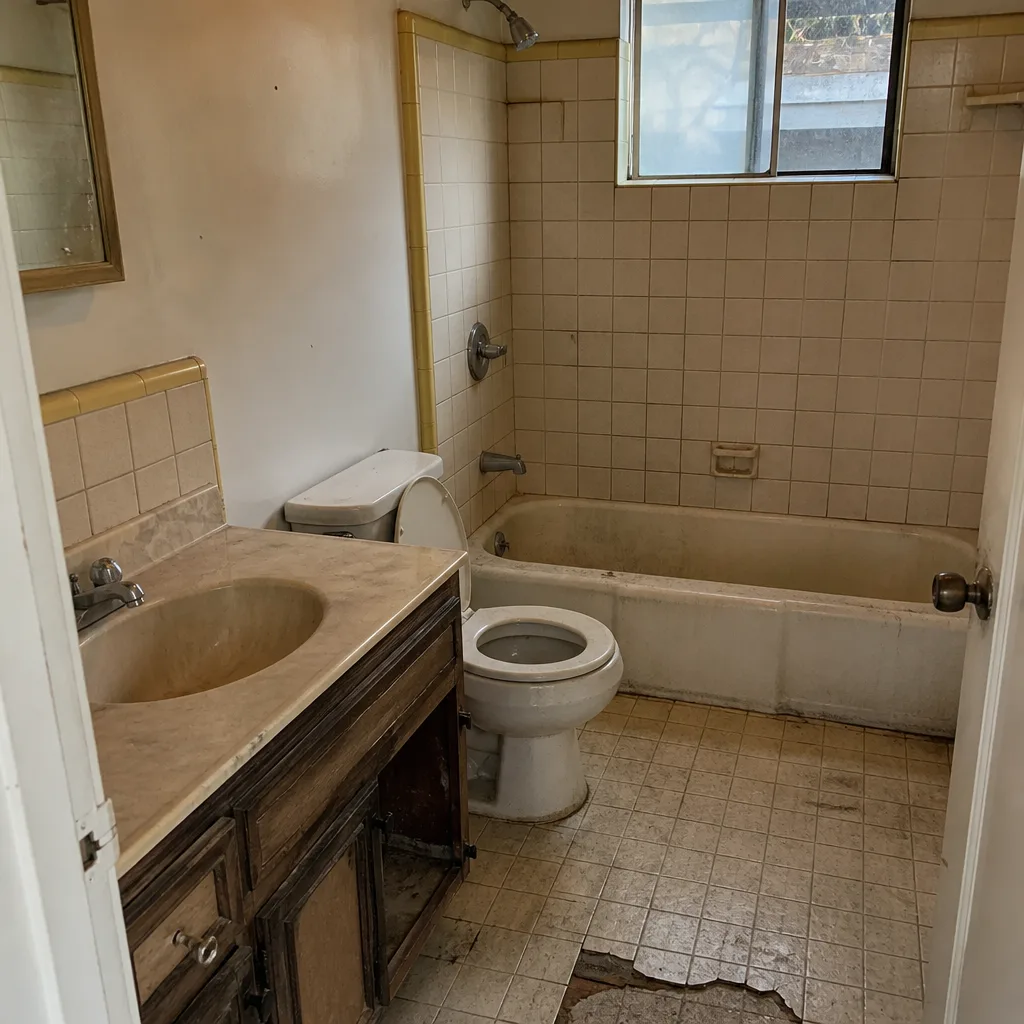 Before
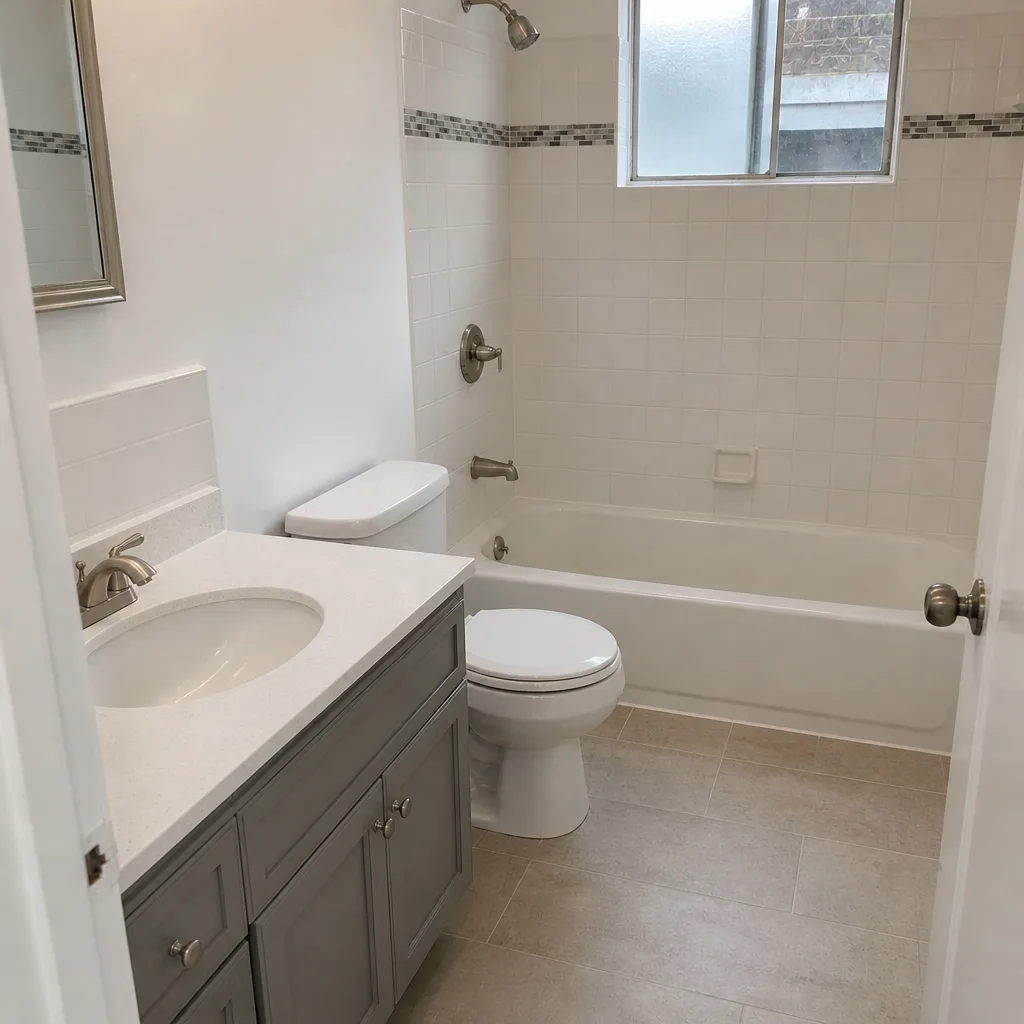 After
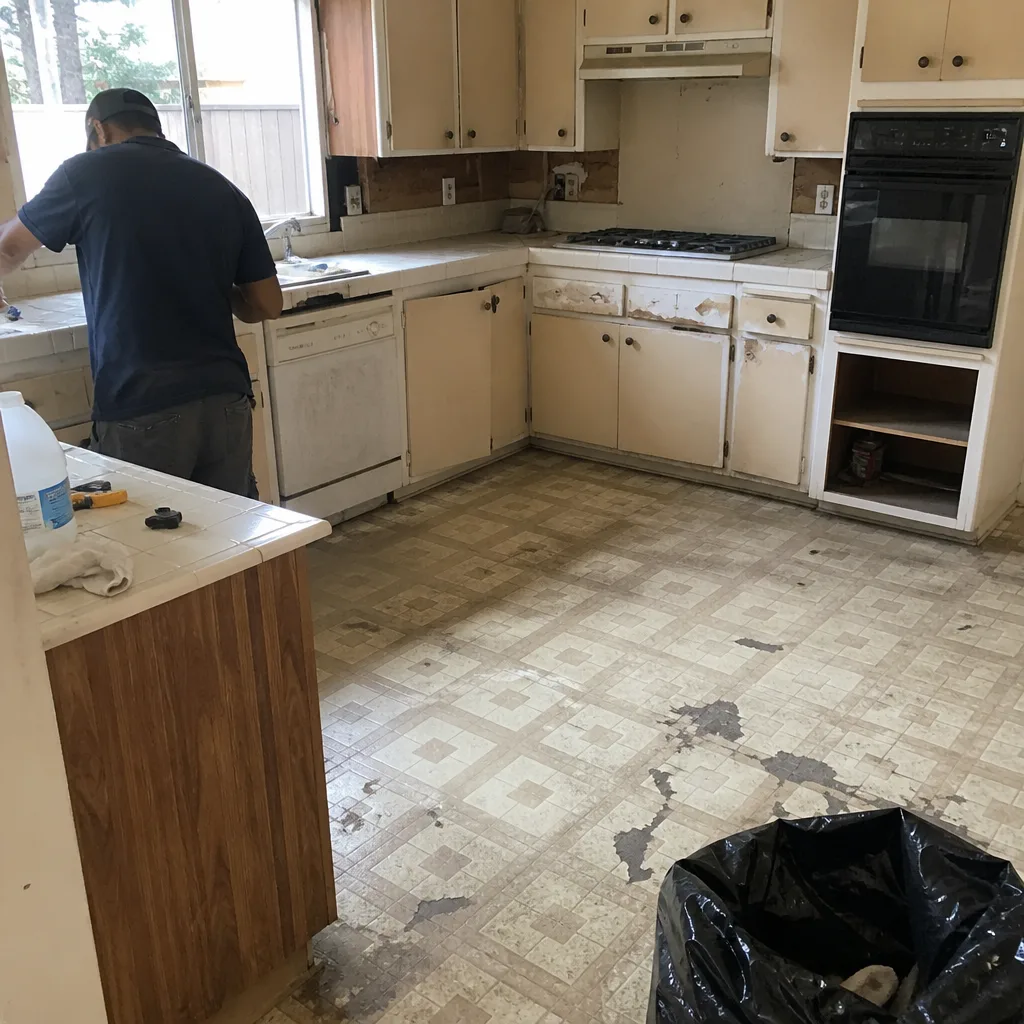 Before
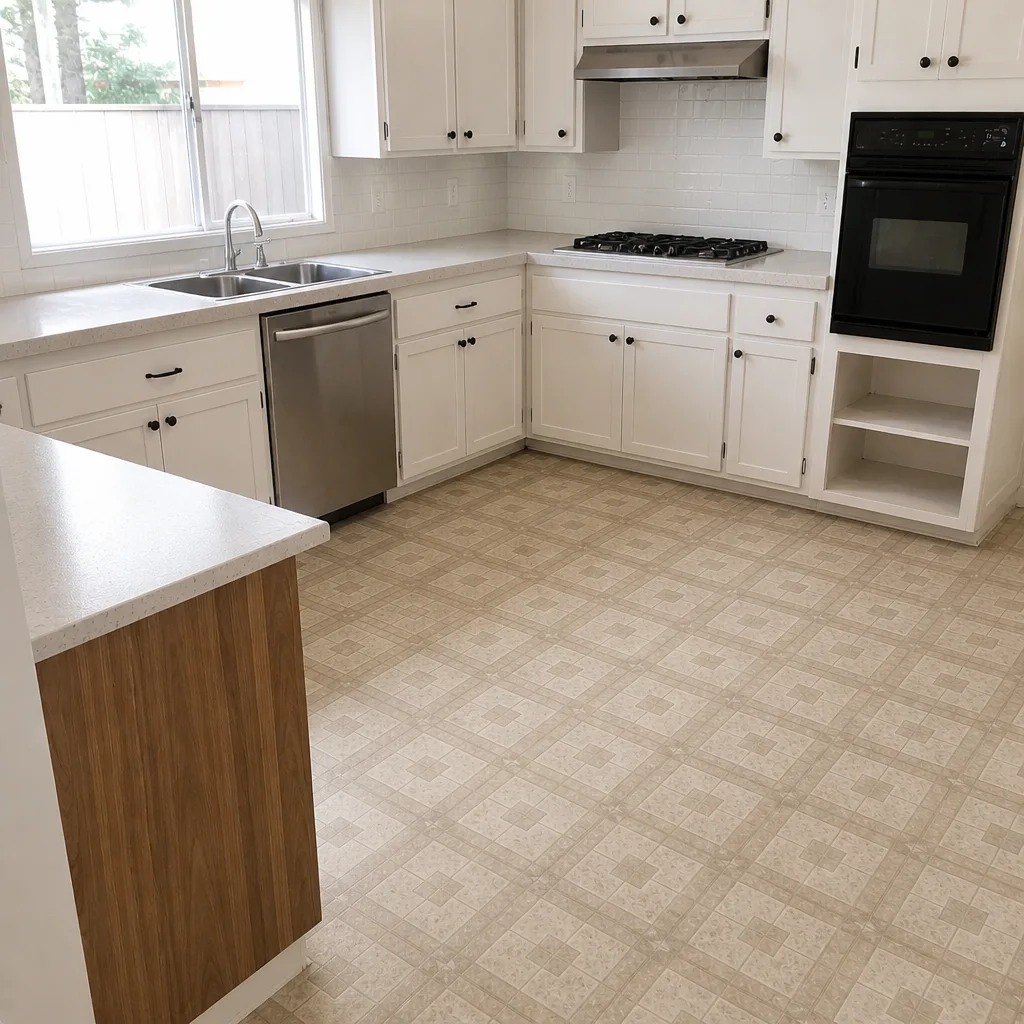 After
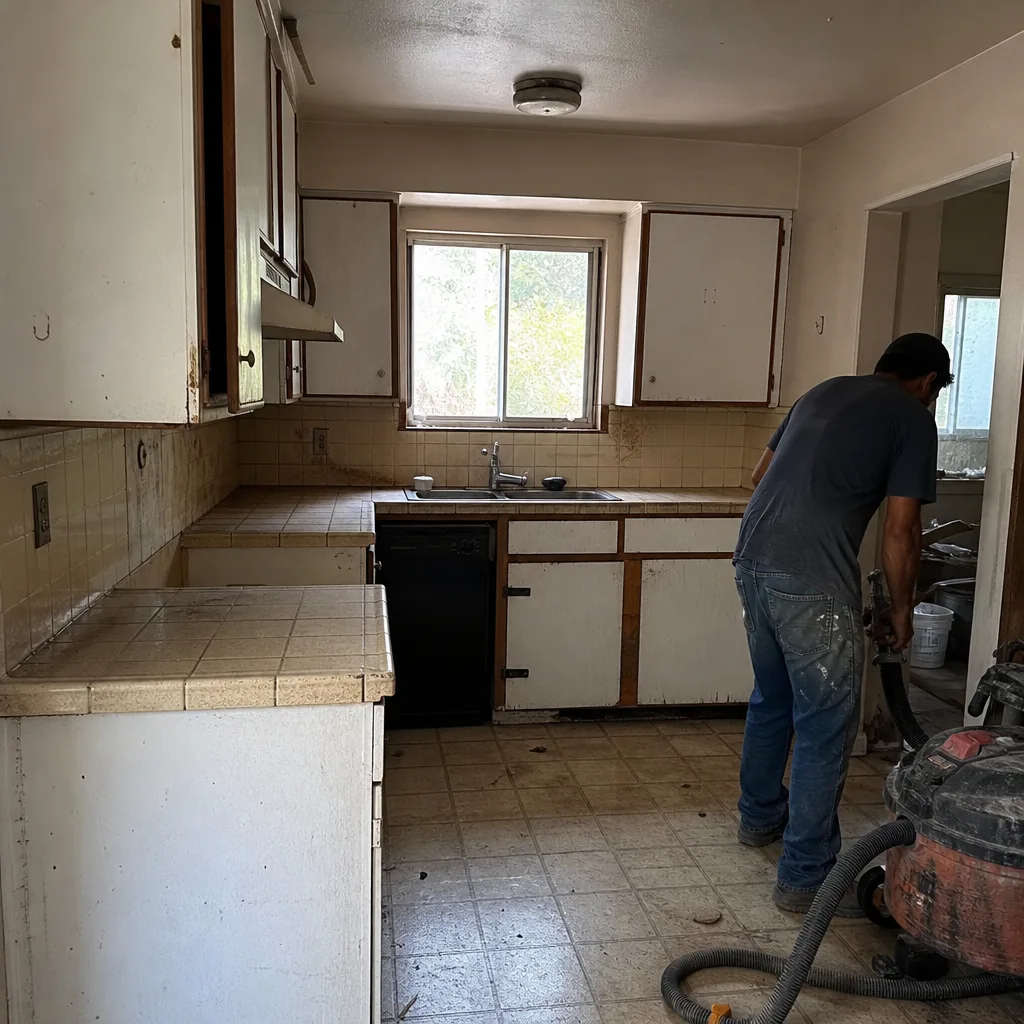 Before
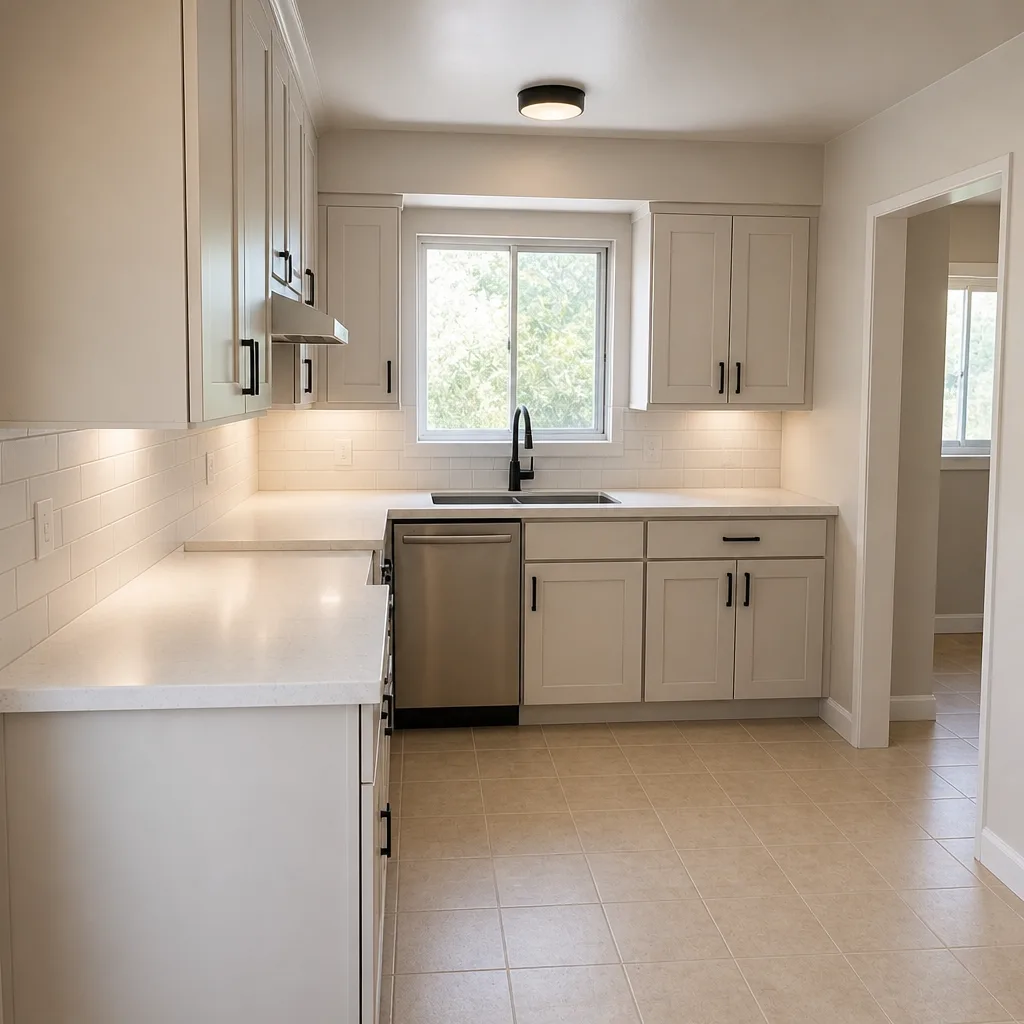 After
When to Call a Professional
Call a professional when the project touches electrical, plumbing, gas, structure, roofing, or the building footprint. Call when the work requires a permit, when the manufacturer warranty depends on a certified install, or when the finished work will appear on a resale disclosure. Call when the project includes an ADU or an addition and the plan review has to be coordinated. Call when the DIY math after tool rental, material waste, and disposal puts the savings under 15 percent.
If you’re unsure whether your Burbank project falls into those categories, the free estimate answers it. Our team quotes the licensed scope and the finish scope separately, in writing, so you can decide what to self-perform. Call (833) 954-6131. We answer 24/7. Fast dispatch from 7am to 7pm, Sunday through Friday, closed Saturday. The estimate is free, the price is set per job by the written estimate, and we can work with your insurer where it applies.
Frequently Asked Questions
Yes, in some cases. Burbank recognizes an owner-builder exemption that allows an owner-occupant to pull a permit for work on their primary residence within specific scope limits. The exemption is narrow. It doesn’t cover rental property or non-owner-occupied structures, and it doesn’t exempt you from plan review or inspection. Confirm the exact limits with the Community Development Department before you start. If you’re unsure where your project sits, call (833) 954-6131 and we’ll talk through what a free estimate for the licensed scope looks like – estimates are free.
Electrical work beyond a fixture swap, gas line work, plumbing system changes, structural changes, and any work on a non-owner-occupied property require a licensed contractor. Full roof replacements and panel upgrades trigger permit review and should be handled by a licensed contractor even when the law technically allows self-permit. When the project includes a utility, a wall, or a footprint change, hire it out. Call (833) 954-6131 to scope the licensed portion – estimates are free.
Yes, usually. Unpermitted structural, electrical, or plumbing work shows up on the buyer’s inspection report and must be disclosed on the transfer disclosure statement. That opens the door for price concessions, financing problems, or a stalled escrow. Cosmetic work that never required a permit is generally fine. The exceptions are garage conversions, additions, and ADU projects done without permits – those create the biggest disclosure exposure. Call (833) 954-6131 for an estimate on getting an unpermitted project brought into compliance where that’s possible – estimates are free.
Realistically, 15 to 30 percent on finish work, and often under 15 percent on larger projects once tool rental, material waste, and disposal are factored in. On bathroom waterproofing, roofing, driveways, and cabinet installs, the savings often invert and the DIY total runs higher than a professional quote. The written estimate from a licensed contractor is the honest benchmark. Call (833) 954-6131 to get one – estimates are free.
Yes. That hybrid arrangement is legal and often the most cost-efficient approach in Burbank. The contractor handles the permitted scope, the rough-in, and the inspections, and you take on finish work after the rough-in is signed off. Never close up a wall or lay a floor over rough-in that hasn’t passed inspection. Ask the contractor at the estimate stage to quote the two scopes separately. Call (833) 954-6131 to structure that estimate – estimates are free.
It can, depending on the work. Standard homeowner policies often exclude claims arising from unpermitted or improperly installed work, and manufacturer warranties on roofing, windows, engineered stone, and cabinet lines commonly require certified installation to stay in force. Check the specific warranty document before you decide to self-perform. If the warranty is important to you, the licensed install protects it – call (833) 954-6131 to quote the professional scope, estimates are free.
The Bottom Line
The DIY-versus-hire question in Burbank comes down to exposure. Permits, liability, and resale disclosure are the three factors that decide it, not skill. Cosmetic finish work stays affordable to self-perform and stays safe at resale. Structural, electrical, plumbing, gas, roofing, and additions do neither. The honest middle path is a hybrid estimate that separates the licensed scope from the finish scope, so you know exactly what each costs. Our technicians have up to 15 years of experience and can walk through both sides of that estimate in one conversation. Between our brand partners and full-property scope, we handle the licensed portion from the driveway to the roofline, and we help you choose the right material where you’re finishing the project yourself.
Written by the team at Construction Burbank.