
Last updated November 17, 2026
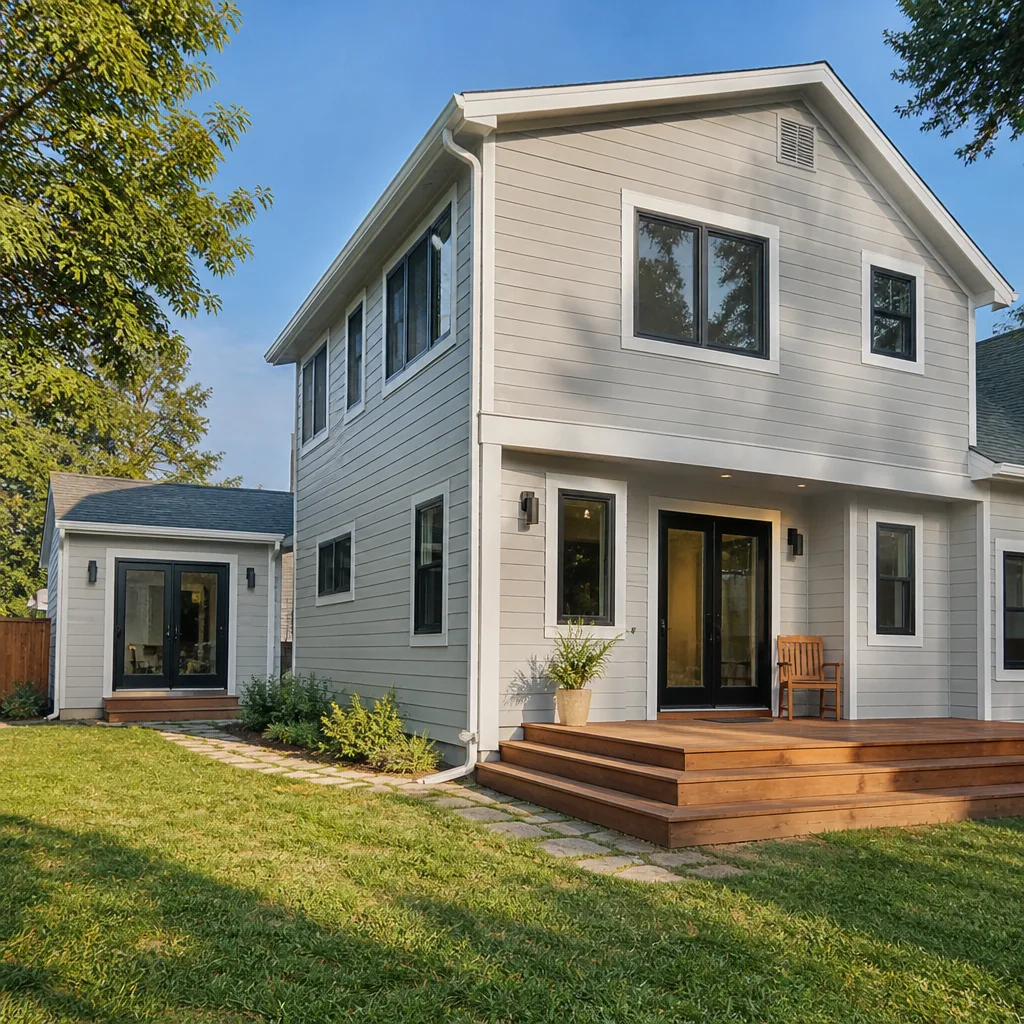 Home additions & ADU
 Kitchen remodeling
 Bathroom remodeling
 Roofing
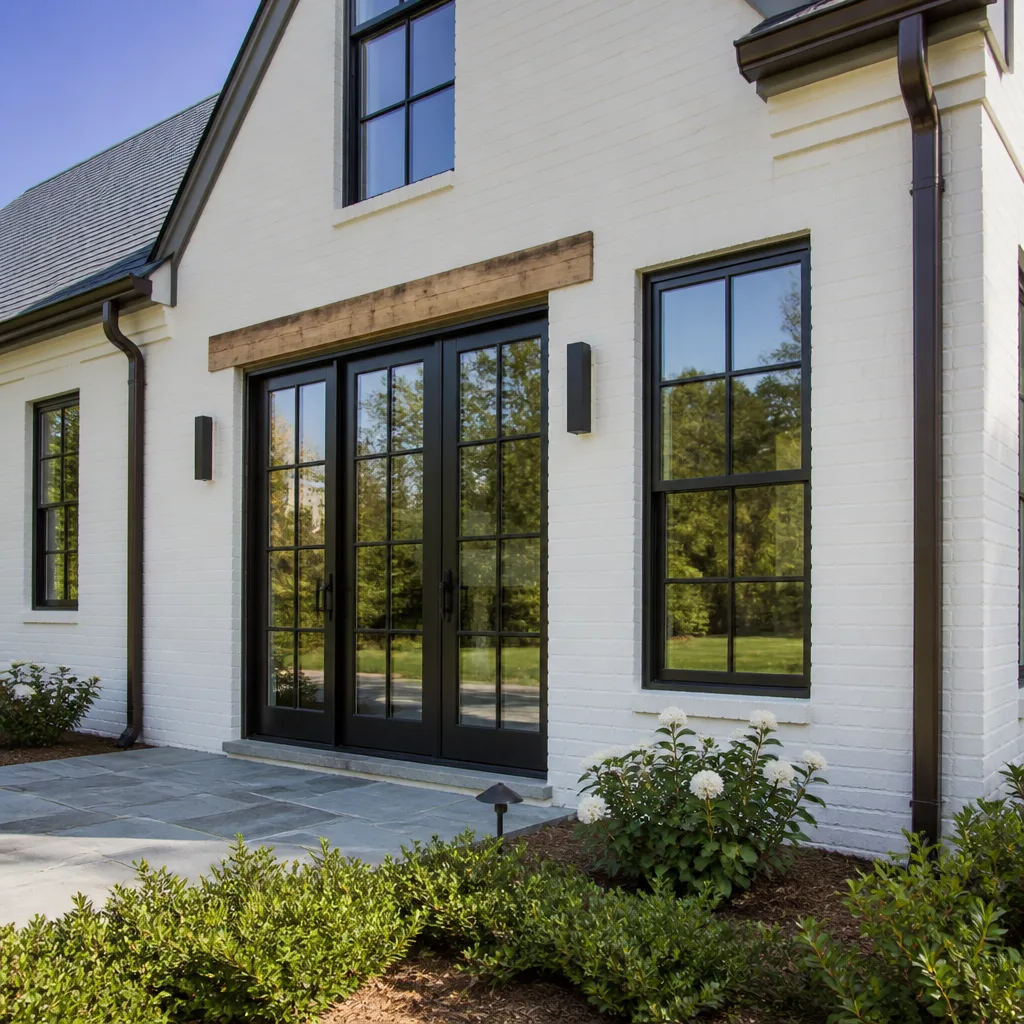 Windows & doors
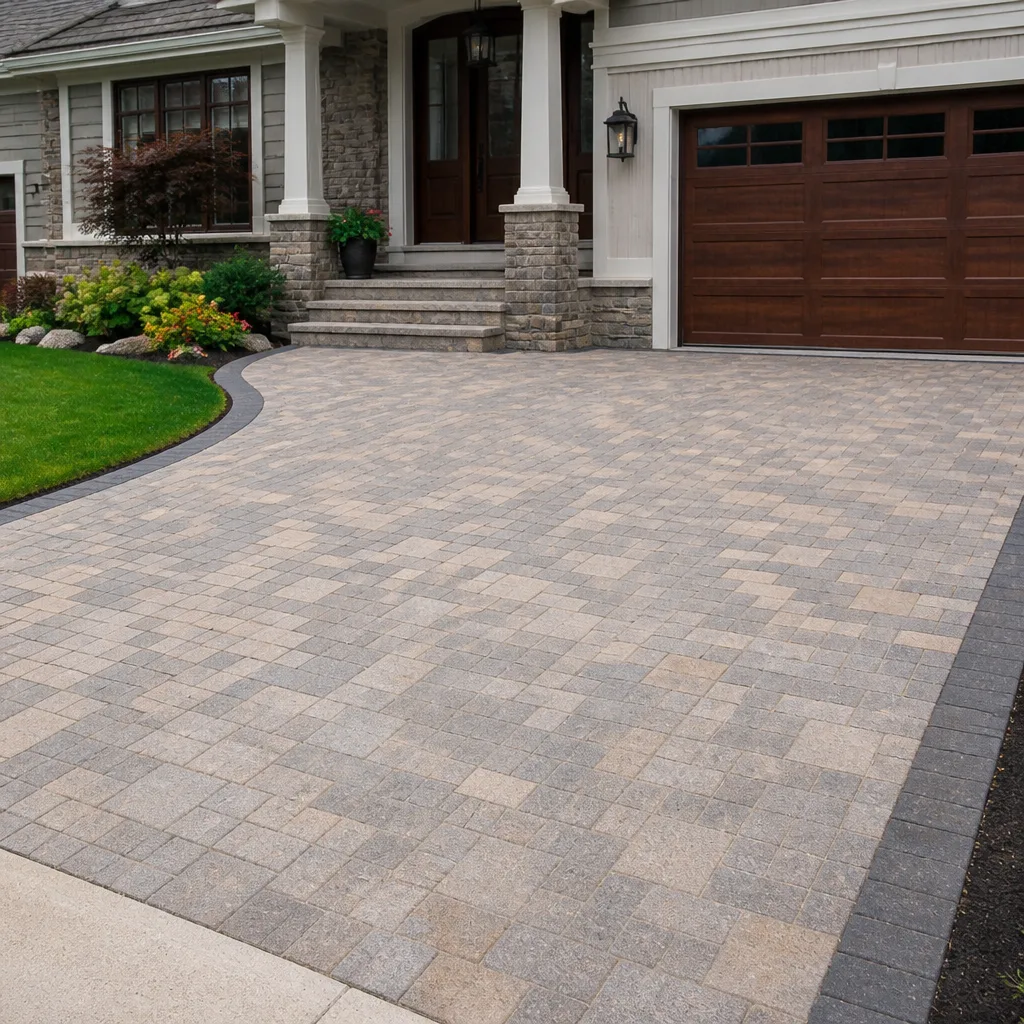 Driveway & pavers
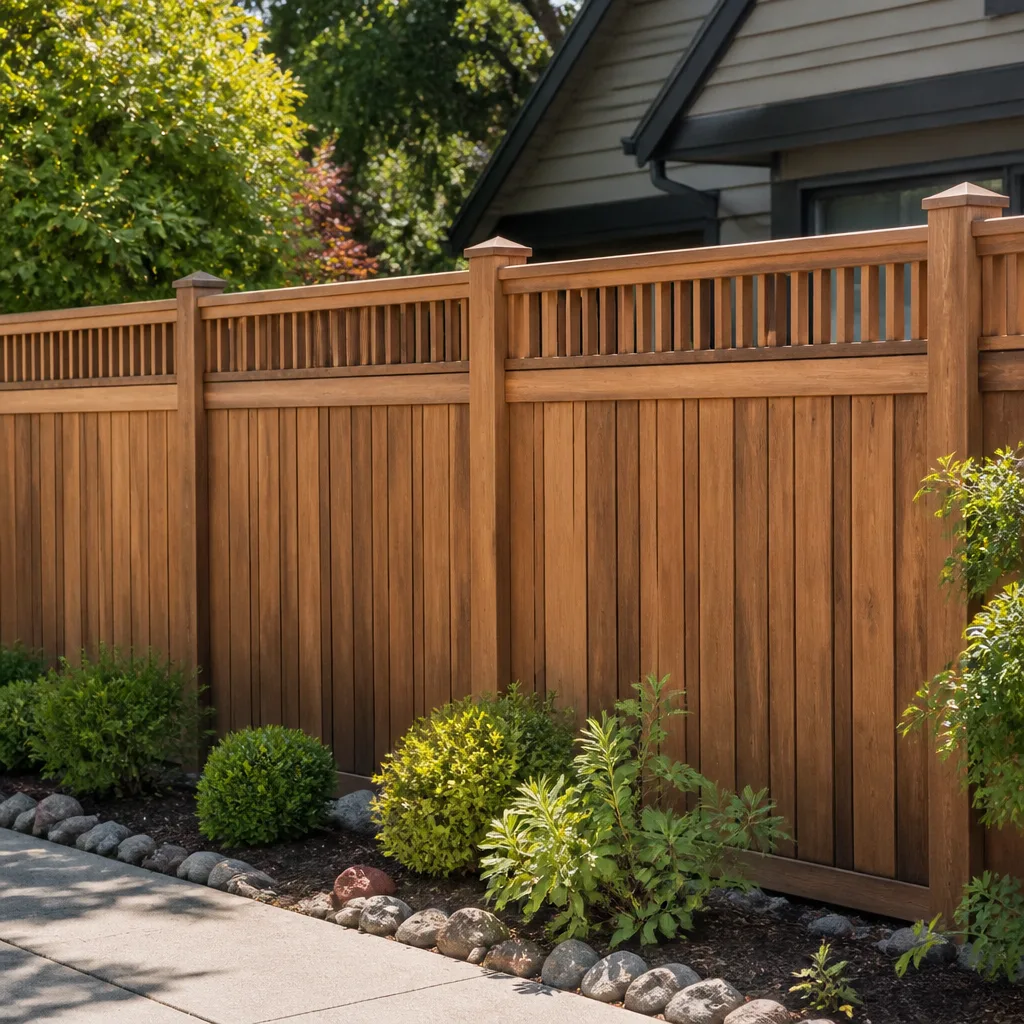 Fence
Free written scope consultation - allowances, timeline, and change-order rules on paper before a single trade is scheduled
Construction Warning Signs: A Burbank Homeowner’s Reference Guide
A hairline crack in a concrete driveway apron means almost nothing. That same crack, running parallel to a hillside retaining wall, paired with a slight bow at the wall’s mid-span, is a different story entirely. In Burbank, the difference between a harmless crack and a closing repair window often comes down to pattern, location, and timing. Most warning-sign guides describe problems that are already expensive. This one focuses on the earlier, subtler signals, so you catch a manageable fix before it turns into a major project. We’ll walk through what to look at on concrete, walls, pavers, fences, and the connection points between stucco and structure, and explain what each signal usually means.
Quick Answer
Construction warning signs on a Burbank home are early physical signals that a repair window is closing: crack patterns that show movement rather than settling, retaining walls that lean or push water, paver edges that migrate, and stucco cracks radiating from window and door corners. The key is reading the pattern, location, and seasonal timing together, because those three details tell you whether a problem is cosmetic or structural, and how much time you likely have.
Styles & brands we work with
- Kitchen remodeling
- Bathroom remodeling
- Home additions & ADU
- Roofing
- Windows & doors
- Driveway & pavers
- Fence
Table of Contents
- Cosmetic vs. Structural Cracking: How to Tell the Difference
- Hillside Retaining Wall Warning Signs in Burbank
- Paver Surface Signals That Point to Base Failure
- Stucco Cracks at Windows and Doors: The Interior-Exterior Connection
- What Seasonal Timing Tells You About a Problem’s Cause
- Fence Warning Signs Homeowners Overlook
- A 10-Minute Walkthrough You Can Do This Month
Cosmetic vs. Structural Cracking: How to Tell the Difference
Most cracks in concrete and stucco are cosmetic, and calling a contractor for every one of them wastes your time and money. The trick is knowing which patterns deserve a closer look. In Burbank, where homes sit on everything from flat valley lots to sloped hillside parcels, cracking behaves differently depending on the grade and soil, so pattern matters more than size.
Here’s a practical way to sort them:
- Cosmetic: Hairline cracks under about a sixteenth of an inch, spiderweb patterns, and short random cracks in a driveway or patio surface. These usually reflect normal curing and surface wear.
- Watch: Cracks that run in a straight line, cracks wider than a quarter inch, or cracks that have visibly widened since you last looked.
- Structural: Stair-step cracks in masonry, cracks that run vertically through a wall’s full height, cracks that appear on both the inside and outside of the same wall, and any crack paired with bowing, tilting, or a sticking door nearby.
The single most important rule: a crack that is changing is more concerning than a crack that is stable, no matter its size. Note the date you first see one and compare it a month later. If it’s growing, that’s your signal to get an assessment.
Hillside Retaining Wall Warning Signs in Burbank
Burbank’s hillside lot inventory is full of retaining walls, and those walls fail in predictable ways if you know what to look for. A retaining wall holds back soil and water pressure, so the earliest warnings are almost always about movement and water, not the wall’s surface finish.
Watch for these indicators:
- Lean. Stand back and sight along the top of the wall. A wall that leans toward the street has lost some of its soil support or drainage capacity.
- Bowing at mid-span. A visible bulge in the middle of a straight run usually means water pressure has built up behind the wall faster than it can drain.
- Efflorescence. White, powdery mineral staining high on the wall face suggests water is moving through the masonry. Staining near the top is often a surface-water issue; staining low and concentrated points to drainage backing up from below.
- Water at the base. Puddling or damp soil along the toe of the wall after rain means drainage isn’t working, and the pressure is staying put.
- Separation from the structure behind it. A gap opening between a wall and an adjacent foundation or slab is a movement warning.
Drainage backpressure combined with lean is the combination that typically gives a homeowner less than a rainy season before a manageable repair becomes an emergency. If you see both together, get a professional out early.
Paver Surface Signals That Point to Base Failure
Pavers are forgiving surfaces, so when they start to move, the problem is almost always underneath. The surface only shows you what the base is doing. Homes across Burbank sit on driveways and patios built over decades of differing base prep, so paver behavior is one of the most useful early diagnostics you have.
- Edge migration. Stones at the perimeter shifting outward or sinking tells you edge restraint has failed or the base has settled at the border.
- Rocking stones. Any paver that rocks underfoot has lost base contact. Field stones that rock in clusters signal a wider base issue.
- Joint sand voids. Channels or hollows in the joint sand are more than cosmetic. When sand washes out rapidly after rain, water is finding a path through the base.
- Uneven lippage. Two adjacent pavers with a visible step between them means one has dropped or tilted.
These signals are the reason we install pavers through brands like Belgard, Techo-Bloc, Unilock, Tremron, and Cambridge Pavers with attention to base and drainage, not just surface. The surface looks the same on day one no matter what’s under it. It doesn’t on year five. If you’re planning a replacement, our driveway & pavers work starts with grade and drainage, which is exactly what prevents the failure signs above.
Stucco Cracks at Windows and Doors: The Interior-Exterior Connection
Stucco cracks concentrate at openings, and openings are where the building’s structure and envelope connect. That makes window and door corners one of the most revealing places to look for movement. A crack starting at a window corner and running diagonally outward is a foundation or framing movement signal far more often than a stucco defect.
Here’s what different patterns tend to mean:
- Short diagonal crack from a corner: often cosmetic and common at openings, especially after heat expansion.
- Long diagonal crack running to a wall’s center or to another opening: movement signature. Compare with the interior side of that same wall.
- Horizontal crack along a header or lintel line: sometimes framing or header movement.
- Cracks mirroring on interior and exterior: the strongest warning of the group, because it means the wall is moving as a unit.
Look at your windows and door frames right now: check for sticking doors, gaps around frames, and cracks that start at the corner and travel. Windows and doors that no longer operate smoothly alongside stucco cracking are a combined signal worth acting on. When window openings themselves are past repair, replacing them with impact-rated and energy-efficient lines from PGT, CGI, Therma-Tru, ES Windows, ECO Window Systems, or ViewLux can close the envelope and solve the connection point at the same time.
What Seasonal Timing Tells You About a Problem’s Cause
When a crack or a wall movement appears tells you as much as where it appears. In Burbank’s climate, the two big seasonal test periods are the dry summer heat and the winter rain. Their different signatures point to different causes, which is what makes a dated note so valuable.
- Signs that appear or worsen after summer heat: heat expansion and drying soil. Cracks that open in late summer and partially close in cooler months suggest thermal movement and soil shrinkage rather than a failing foundation. Frequently cosmetic, but worth tracking.
- Signs that appear or worsen after winter rain: water. A crack, wall lean, or paver settlement that shows up after the first heavy rain points to drainage, soil saturation, or erosion. These have shorter repair windows than heat-related cracking.
- Signs that persist across both seasons: these are the ones to have assessed. If a crack stays the same width through heat and rain, it’s structural movement, not seasonal expansion.
The practical habit: photograph any new crack with a reference object in the frame, note the month, and check again after the next rainy stretch. A two-month record of the behavior is worth more to a contractor than a guess.
Fence Warning Signs Homeowners Overlook
A fence is a good barometer for the grade and soil around a property, and its failures follow the same logic as retaining walls and pavers. Burbank homeowners tend to notice a fence only when a gate stops latching, but the earlier signals show up at the posts.
Look for these:
- Leaning posts. A single leaning post often means soil movement or water pooling at the base. A run of leaning posts points to the grade beneath the whole line.
- Loose or wobbly top rails. Fastener failure is common, but movement in the post itself is a different and more important warning.
- Rust or corrosion at ground contact. The buried portion of a steel or aluminum post is the first to fail.
- Gate binding. A gate that drags or no longer closes square usually means the posts have shifted, not that the gate itself has gone bad.
When a fence does need replacing, a properly set fence with the right system for the grade holds its line far longer. We install aluminum, vinyl, and steel systems from Barrette, Master Halco, Ameristar, Jerith, Bufftech, and ActiveYards. Solid fence materials and posts don’t fix a drainage problem underneath them, which is why we look at grade before recommending a build. If your fence line has moved, our fence installation work includes that assessment as a first step.
A 10-Minute Walkthrough You Can Do This Month
A quick, systematic walk around your property catches most of the early warning signs in the time it takes to drink a coffee. Here is a repeatable order that covers the highest-value checkpoints first:
- Walk your concrete edges. Note any new crack running parallel or perpendicular to a wall or curb. Measure the width.
- Sight along retaining walls. Stand at one end and look down the top edge. Any lean or bow?
- Check wall bases for efflorescence and water. Look for the white mineral staining and any pooled water.
- Step on the paver field in a few places. Feel for rocking stones and look for edge migration.
- Inspect window and door corners from outside. Check for diagonal cracks and gaps at the frame.
- Check the same openings from inside. Do doors still close true? Any new cracks at interior corners?
- Look at your fence posts and gate. Check for lean and ground-contact corrosion.
Write down what you find, with the month, and repeat after the next wet spell. This record is genuinely useful when you do call. If any single item on the list has changed since last year, that’s the one worth a look by a professional.
Common Mistakes to Avoid
- Judging by crack size alone. A stable sixteenth-inch crack is usually fine; a growing quarter-inch crack isn’t. Track change, not just size.
- Caulking over a structural crack. Sealant hides the signal and can trap moisture. Find the cause before you fill the gap.
- Ignoring paver rocking as “just loose stones.” Cluster rocking means base failure. Fixing the surface without addressing the base shortens the life of the whole driveway.
- Treating a leaning retaining wall as a landscaping issue. In Burbank’s hillside neighborhoods, wall movement is a drainage and structural problem, and waiting through a rainy season is how manageable repairs become emergencies.
- Skipping the interior side of the wall. The same crack mirrored on both sides of a wall is a completely different diagnosis than one facing the weather alone.
- Not timing the observation. Cracks after summer heat and cracks after winter rain have different causes. Without a date, you’ve lost the most useful clue.
- Assuming a fence gate failure is a gate problem. A binding gate usually means the posts have moved. Replace the gate and it will bind again.
See the difference
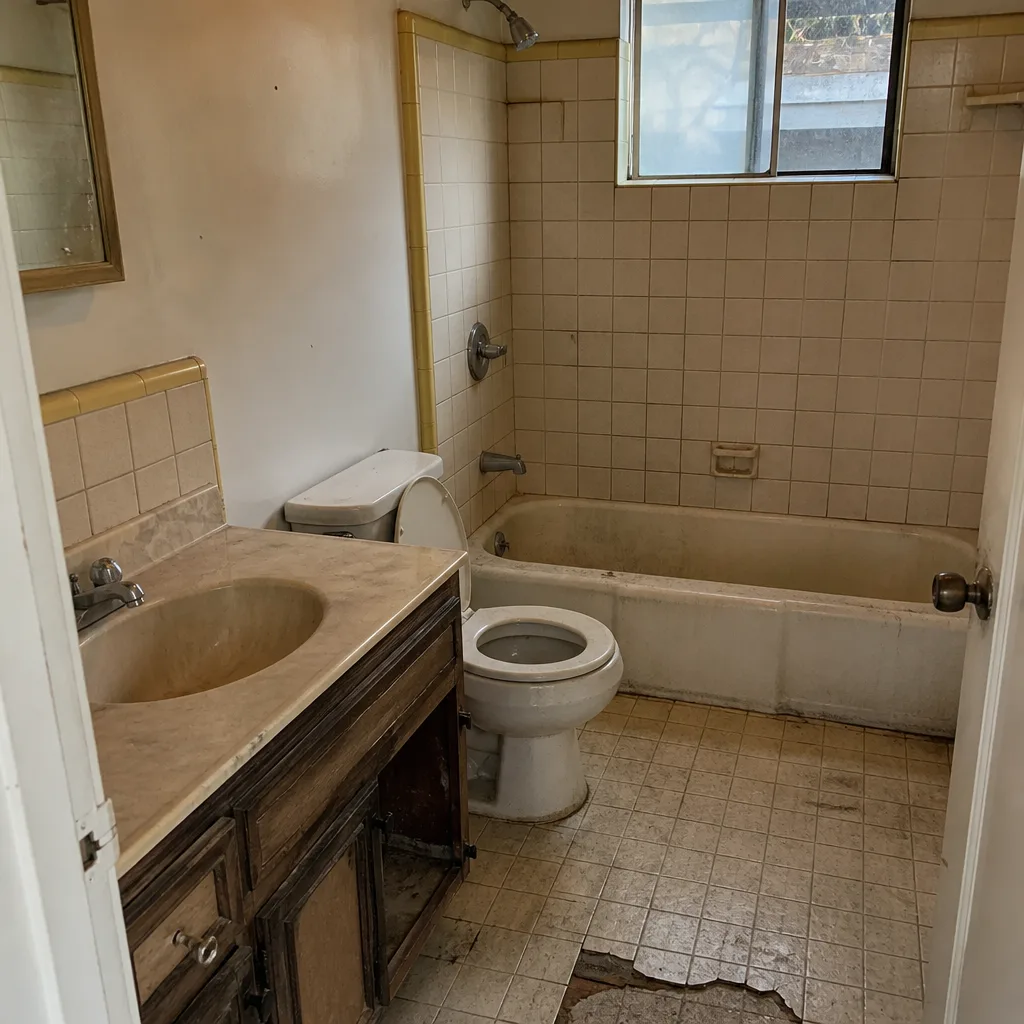 Before
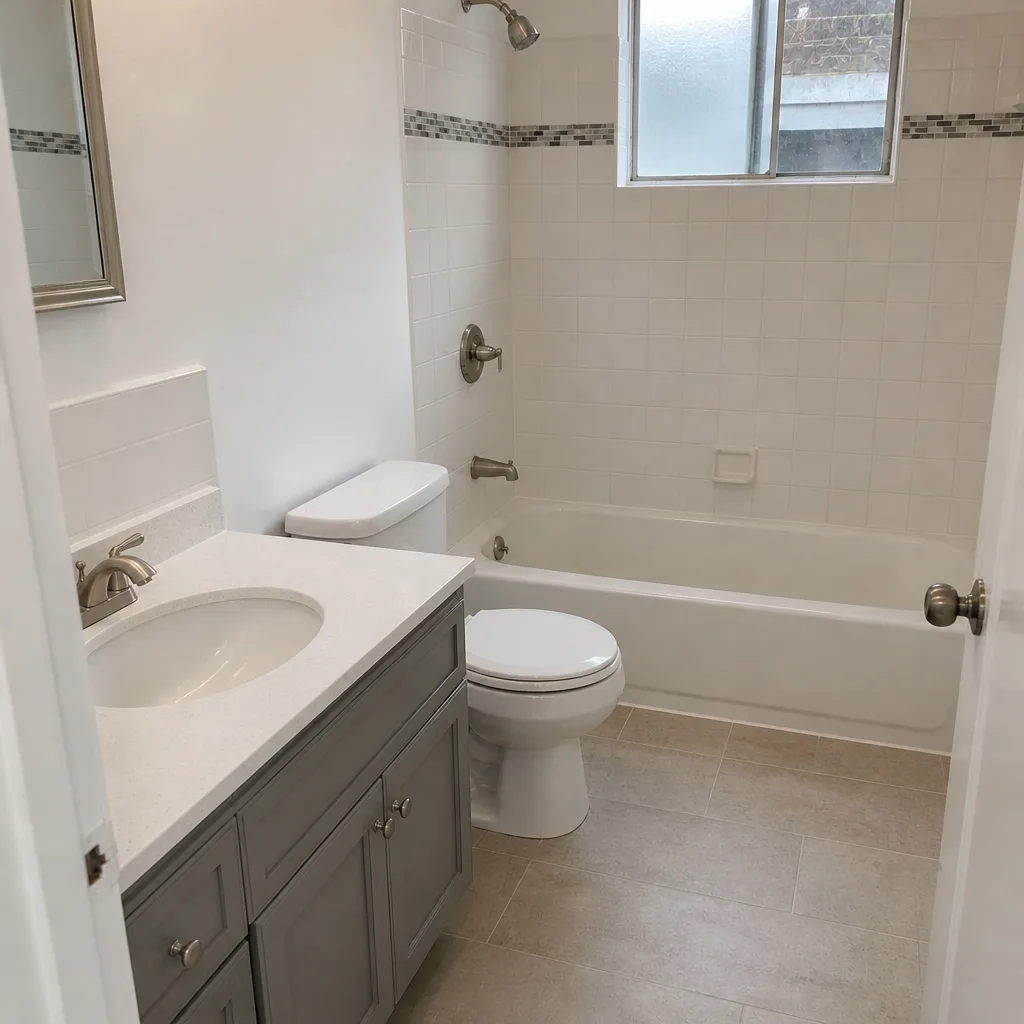 After
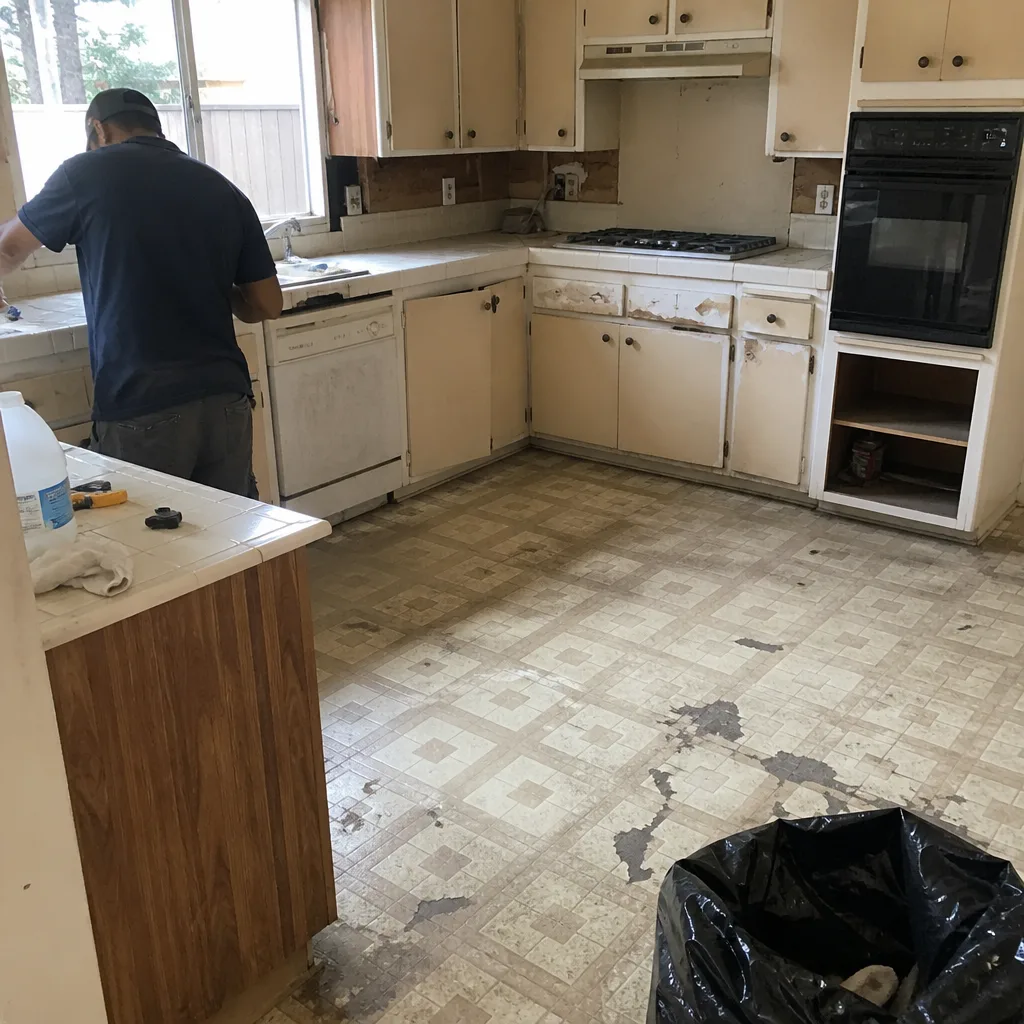 Before
 After
 Before
 After
When to Call a Professional
Call a professional when a warning sign is changing, when two signals show up together, or when water is involved. Specifically: a retaining wall that leans or bows, a crack growing since your last check, stucco cracking that mirrors on the interior side of the same wall, paver rocking in clusters with edge migration, or a fence line that has shifted at the posts. Any of these is worth a professional assessment before the next rainy season. Construction Burbank offers free estimates in Burbank, with a written line-item quote, and we pull the permits and manage the inspections on any structural work. Call (833) 954-6131. We answer 24/7. Fast dispatch from 7am to 7pm, Sunday through Friday. Our technicians have up to 15 years of experience, and we can read the pattern, location, and timing of a warning sign and tell you what it likely means.
Frequently Asked Questions
The most common early signs are crack patterns that show movement rather than settling, retaining walls that lean or push water, paver edges that migrate with rocking stones, and stucco cracks radiating from window and door corners. Read the pattern, location, and seasonal timing together, because those three details tell you whether a problem is cosmetic or structural. If a sign has changed since your last look, call (833) 954-6131 for a free estimate.
Cosmetic cracks are hairline, random, and stable; structural cracks are growing, run in straight lines or stair-steps, and appear on both sides of the same wall. Change matters more than size, so note the date you first see a crack and compare it a month later. A two-month record of the behavior is worth more than a guess when you call (833) 954-6131 for an assessment.
Cracks that appear after winter rain usually point to water: drainage, soil saturation, or erosion. They have shorter repair windows than cracks that show up after summer heat, which are more often tied to thermal expansion and soil shrinkage. If a crack shows up after the first heavy rain and keeps growing, call (833) 954-6131 for a free estimate.
Look for lean toward the street, bowing at mid-span, white efflorescence high on the wall or concentrated low, water pooling at the base, and separation from the structure behind it. Lean combined with drainage backpressure is the combination that gives a homeowner less than a rainy season before a manageable repair becomes an emergency. Get a professional look early – call (833) 954-6131.
If the pavers are rocking in clusters, the edges have migrated, or the joint sand keeps washing out, the problem is the base, not the surface. Fixing the surface without addressing the base shortens the life of the whole driveway. We assess grade and drainage first, then recommend the fix. Call (833) 954-6131 for a free estimate.
No. We fix the price in a written line-item quote so you know the cost before work begins, and there are no change orders unless you ask us to add scope. For structural work, we pull the permits and manage the inspections. Call (833) 954-6131 to schedule your free estimate – the written estimate sets the final price.
The Bottom Line
The warning signs that matter most aren’t the dramatic ones; they’re the quiet changes that tell you a repair window is closing. Read three things together: the pattern of a crack, where it sits on your property, and when in the season it appeared. Cosmetic cracks stay put; growing cracks, leaning walls, migrated paver edges, mirroring stucco cracks, and moved fence posts are early signals that a fix now is smaller than a fix after the next rainy season in Burbank. Note your findings, repeat your walkthrough after the next wet spell, and call early for the ones that change. We handle full-property scope, from the driveway to the roofline, so a single assessment covers all of it. To read more about our full range of work, see Construction Burbank, and for structural and permitted projects start with home additions & ADU. Call (833) 954-6131 for a free estimate.
Written by the team at Construction Burbank.