
Last updated November 17, 2026
 Home additions & ADU
 Kitchen remodeling
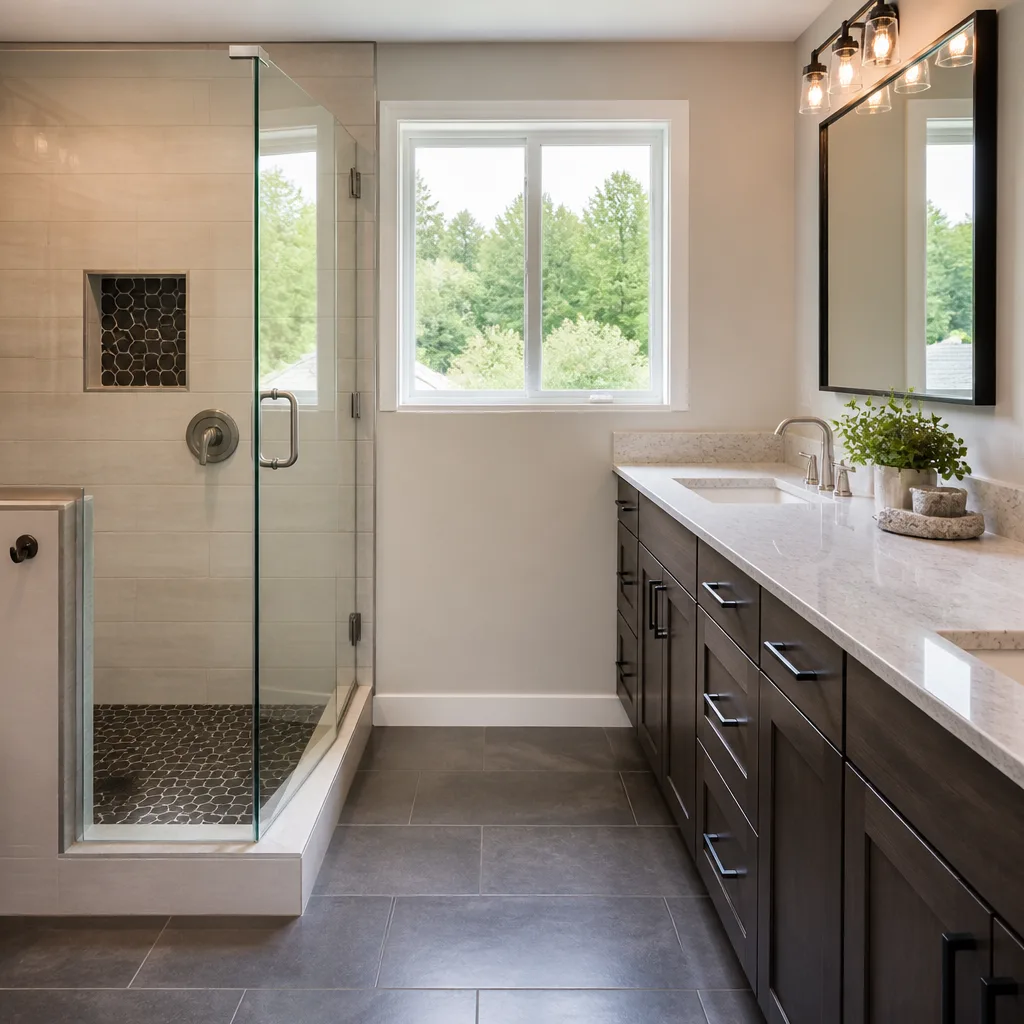 Bathroom remodeling
 Roofing
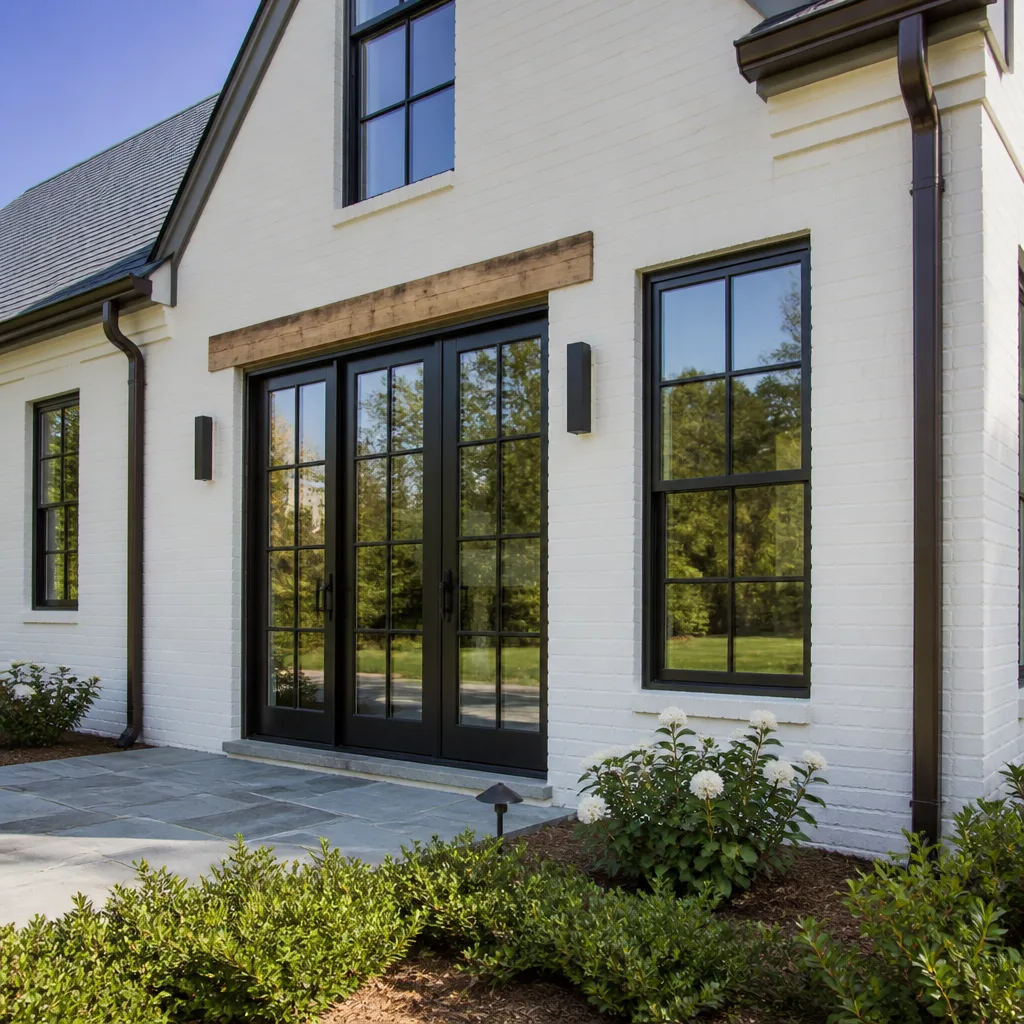 Windows & doors
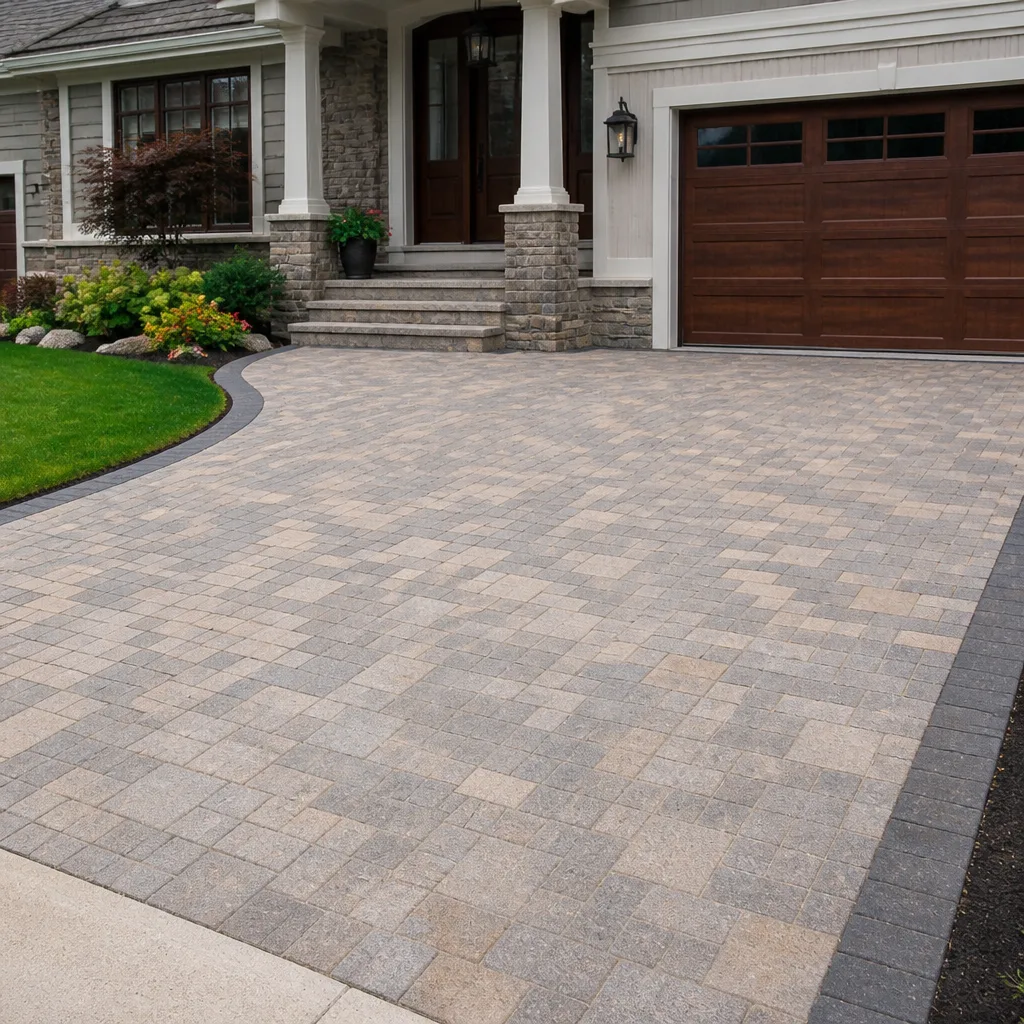 Driveway & pavers
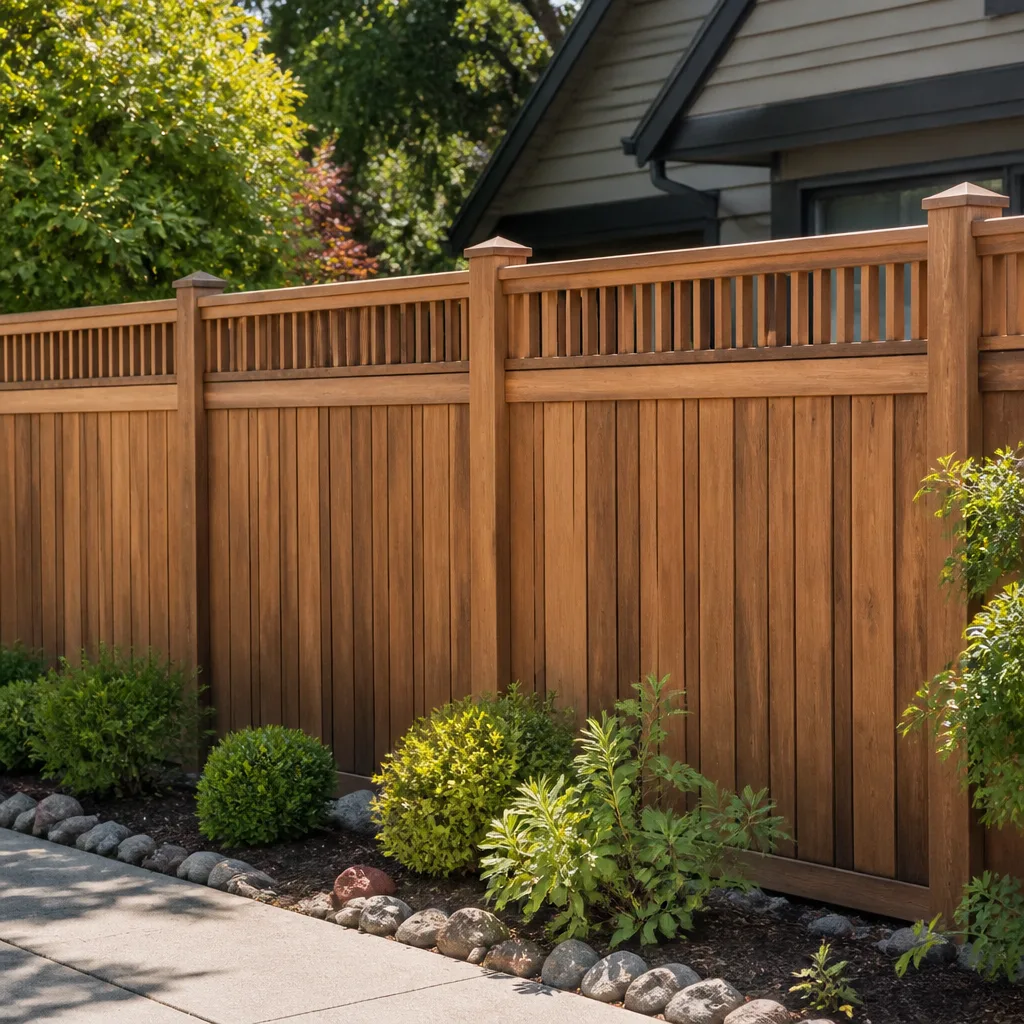 Fence
Free written scope consultation - allowances, timeline, and change-order rules on paper before a single trade is scheduled
Seasonal Construction Care for Burbank: Year-Round Homeowner’s Guide
Burbank averages about 19 inches of rain a year, and that number quietly convinces a lot of homeowners to skip their pre-winter checks. Then a single heavy atmospheric river rolls through, overwhelms a French drain nobody has looked at, and pushes water under a paver field that was already holding a little too much. The repair lands far above what an hour of inspection would have caught. This guide walks through the four seasonal stress cycles that actually hit residential construction in Burbank, what to look at in each one, and which tasks you can handle yourself versus which ones belong to a contractor. By the end you’ll know which season attacks which part of your property and what to check before it does.
Quick Answer
Seasonal construction care in Burbank comes down to four cycles: fall wind and Santa Ana prep for hardscaping and exterior surfaces, winter rain prep for drainage and joint integrity, spring post-rain assessment of settlement and mortar joints, and summer heat care for sealers and expansion gaps. Most of the work is inspection rather than repair. Catching problems in the season before they worsen is what keeps a small fix from turning into a structural job.
Styles & brands we work with
- Kitchen remodeling
- Bathroom remodeling
- Home additions & ADU
- Roofing
- Windows & doors
- Driveway & pavers
- Fence
Table of Contents
- Fall Santa Ana Season: What to Inspect Before the First Wind Event
- Winter Rain Prep for Burbank: Drainage, Joint Sand, and Downspouts
- Spring Post-Rain Assessment: Settlement, Efflorescence, and Joint Erosion
- Summer UV and Heat: Sealers, Expansion Gaps, and Surface Temperature
- DIY vs. Contractor: A No-Nonsense Breakdown by Project Type
- A Year-at-a-Glance Seasonal Calendar
- Common Mistakes to Avoid
- When to Call a Professional
Fall Santa Ana Season: What to Inspect Before the First Wind Event
Fall in Burbank is not a gentle transition. The Santa Ana winds arrive with sustained gusts that put real lateral load on everything from a fence post to a chimney cap, and they often show up before homeowners have thought to look at their exterior. The inspection you do in the weeks before that first event is the one that matters. After the wind has already pulled something loose, you’re in repair mode rather than preparation.
Start with the hardscaping. Walk the perimeter of any paver driveway or patio and look for joints that have opened, pavers that moved noticeably when you stepped on them, or a field that has started to dish toward the house. A paver that rocks underfoot in fall will be a paver that lifts in the first real storm. Check the edges too. Edge restraint that has worked loose is the first thing that fails under wind-driven debris and the last thing most homeowners think to look at. If the field needs attention, our driveway & pavers page covers what remediation involves.
Retaining walls deserve their own pass:
- Weep holes: Confirm they’re clear. A blocked weep hole means hydrostatic pressure builds behind the wall all winter.
- Capstones: Look for caps that have shifted or mortar that has cracked where the cap meets the wall face.
- Wall lean: A wall that leans even slightly more than it did a year ago is telling you the drainage behind it has changed.
- Vegetation: Root systems pushing against a wall are a slow problem that becomes a fast one in a wind event.
Exterior surfaces round out the list. Walk the roof edge and check for lifted shingles or loose flashing, especially at transitions. Look at window and door seals for gaps, and inspect any decorative fascia or trim that could become airborne. Fencing is often the most vulnerable element on the property in a Santa Ana event; a post that’s lost its footing at grade will lean in the first strong gust, and the repair cost climbs once the whole run has shifted. Our fence installation team can help you sort what needs reinforcement from what needs replacing. These checks take an afternoon and prevent the kind of damage that takes a week to sort out.
Winter Rain Prep for Burbank: Drainage, Joint Sand, and Downspouts
Winter in Burbank is the season where the ground gets tested. Nineteen inches a year sounds modest until you account for the fact that most of it arrives in a handful of concentrated events. That’s the situation your drainage was actually built for, and it’s the situation that exposes failing joint sand, settled paver fields, and downspouts discharging in the wrong direction.
Drainage slope verification is the first task. Water needs to move away from the house at a consistent grade, and it needs a clear path once it leaves the roof. Walk the property during or right after a rain and watch where the water actually goes. You’ll learn more in ten minutes of watching than in an hour of theory. If water pools anywhere within a few feet of the foundation, or if a French drain has visible standing water at the outlet when the rain has stopped, that’s a flag.
Joint sand integrity matters just as much for pavers. Polymeric sand that’s washed out or has gone soft between the joints lets water into the base layer, which is where real damage starts. You can check this with a screwdriver or key: if the joint gives easily, it needs to be refilled. Joint sand failure is subtle, and by the time the pavers visibly shift, the base has usually been compromised for a full season or more.
Downspout discharge paths are where we see the most avoidable problems. A downspout that empties next to the foundation is a slow leak with a long history. Extend the discharge several feet from the wall, and confirm it terminates in a direction that doesn’t dump water onto a neighbor’s grade, a retaining wall, or a paved surface that drains toward the house. Below-grade drainage lines should also be checked for root intrusion; you’ll usually see it as slow drainage during heavy events rather than total blockage.
One point of clarification: Burbank winters don’t deliver deep frost, so frost heave, frozen pipes, and ice damming aren’t part of your picture. The damage that happens here comes from water volume and soil saturation, not freeze cycles. That changes the priorities. Preparation is about drainage capacity, not insulation, and it’s the reason a winter check is genuinely useful here even though the climate looks gentle on paper.
Spring Post-Rain Assessment: Settlement, Efflorescence, and Joint Erosion
Spring is the season of honest information. Winter has done its work, and whatever the ground was going to reveal is now visible. A careful walk of the property in late winter or early spring tells you what to plan for before summer, and it’s where a lot of problems get caught while they’re still fixable with targeted repair rather than full replacement.
Look for settlement first. Pavers that have dished downward, patio edges that have sunk relative to their border, or a walkway that now holds water in a depression after rain are all signs the base layer has moved. Settlement isn’t always a crisis; small, even settlement over a decade is expected. Uneven settlement, especially in a concentrated area, usually points back to drainage that failed in the winter it just went through. The Construction Burbank team can assess whether the fix is a localized lift or a full base correction.
Efflorescence is the white, chalky bloom that appears on concrete, stone, and mortar surfaces after a wet season. It’s salts migrating from the material to the surface as water evaporates. In many cases it’s cosmetic and can be cleaned off with the right product and a stiff brush. It becomes a warning sign when it recurs repeatedly in the same area, which usually means water is moving through the material on a regular basis. That’s when you want a contractor to trace where the water is coming in rather than continuing to clean the surface.
Mortar joint erosion on any masonry, including garden walls, retaining walls, and exterior steps, needs a close look:
- Probe the joints. Run a key or screwdriver along the mortar. If it crumbles or gouges easily, the joint has lost its integrity.
- Check for receding. Joints that have visibly receded below the face of the masonry were probably installed too thin to begin with, or have weathered past their service life.
- Look for cracking patterns. Fine hairline cracks along the joint are normal. Cracks that run through brick or block are not, and signal a structural question.
- Document areas of concern. Take photos in spring so you can compare the same spots in fall.
Spring is also the right time to check gutters and roof edges for damage the winter events caused. Loose shingles, granule loss, and flashing that has pulled away from the roofline are all visible from the ground after a wet season. If anything looks off, the roofing category on our main page walks through what a proper assessment covers. Catching it in spring means the fix happens before summer heat bakes it in and before next winter tests it again.
Summer UV and Heat: Sealers, Expansion Gaps, and Surface Temperature
Summer in Burbank is a stress cycle on its own. High sun angles and consistent heat do slow work on exterior materials, and the effects compound over successive seasons. Homeowners who understand what summer is attacking can usually get ahead of it with routine maintenance. The ones who don’t often end up replacing materials a season or two earlier than they needed to.
Sealer condition is the first thing to check. On pavers, stamped concrete, and any natural stone surface, sealer is a sacrificial layer. It takes the UV damage so the material underneath doesn’t. You can test sealer condition by dribbling a small amount of water on the surface: if it beads, the sealer is still working; if it soaks in immediately, it’s time to plan a reapplication. Sealers should be reapplied on a schedule the manufacturer specifies, and skipping a cycle is one of the most common ways homeowners shorten the life of exterior hardscape.
Expansion joint gaps in concrete deserve attention in summer. As concrete warms, it expands. The joints are there to accommodate that movement, and if the gap is filled with debris or has closed entirely, the slab cracks instead. Walk any concrete driveway, patio, or walkway and check that the joint material is intact and that gaps remain visible. If joint filler has deteriorated, replacing it is a straightforward job that prevents larger cracks from developing.
Surface temperature is the third piece. In direct summer sun, dark pavers, asphalt, and some stone materials surface at temperatures high enough to degrade sealers, fade finishes, and make the surface uncomfortable to walk on. You can’t change the sun angle, but you can plan ahead: choosing lighter-colored materials for future installs, using shading to protect the most exposed areas, and watering plants that sit adjacent to hot hardscape will all help. For surfaces already in place, the practical action is keeping sealer current and avoiding the temptation to hose down a hot surface with cold water, which can thermal-shock some materials.
Windows and doors fall into the same cycle. UV exposure degrades seals over time, and a failing seal shows up as fogged glass, drafts, or water intrusion during the first fall rain. Checking interior trim and frame edges for signs of moisture in late summer catches these before the rainy season tests them. Prefabricated doors and impact-rated window systems have specific maintenance schedules worth following. If any of this feels outside your wheelhouse, our team can assess the whole exterior in one visit rather than piecemeal.
DIY vs. Contractor: A No-Nonsense Breakdown by Project Type
The most useful seasonal guide is one that tells you honestly which tasks you can do yourself and which ones you shouldn’t. We’ve seen a lot of both over the years, and our technicians have up to 15 years of experience watching how the DIY-versus-professional decision plays out. Here’s an unvarnished breakdown by project type.
Genuinely DIY-Accessible Tasks
- Gutter cleaning: Reachable from a stable ladder, no heavy debris, no rotted fascia. Know your limits on the ladder height.
- Surface cleaning: Pressure-washing pavers, patios, and siding with the correct pressure for the material. Use low pressure on pavers so you don’t disturb joint sand.
- Minor caulk replacement: Around windows and doors, on a dry day, with the correct exterior-rated caulk.
- Efflorescence cleaning: On masonry and concrete, using an efflorescence-specific cleaner rather than generic acid.
- Visual inspections: Walking the property, checking joints, checking drainage during rain, taking photos.
Tasks That Sit on the Line
- Joint sand refill on pavers: Doable for small areas, but polymeric sand has specific installation requirements around moisture and compaction. Getting it wrong makes the problem worse.
- Sealer reapplication: Straightforward on a small patio. Harder than it sounds on a full driveway, where surface prep and product choice matter a lot.
- Downspout extensions: Simple installation, but sizing and discharge direction affect the whole drainage picture.
Tasks That Belong to a Contractor
- Any base correction: Pavers that have settled or shifted almost always need base work, and base work done wrong fails again within a season.
- Retaining wall repairs: Structural, dangerous to assess alone, and often connected to drainage that needs design attention.
- Roof repairs and assessments: Roof work is a fall hazard, and the underlying question is usually whether the roof system as a whole is sound.
- Window and door replacement: Impact-rated window systems require precise installation to perform as designed.
- Kitchen and bathroom work: Anything involving plumbing, waterproofing, or cabinet installation needs a professional. Even fixture swaps on brands like Kohler or Moen have underlying questions about supply lines and fit that you want a pro thinking about.
- Additions, ADUs, and structural changes: Permitted work, code compliance, and structural design. Not a homeowner task under any circumstances.
One more category worth calling out: fire safety around exterior surfaces. With dry brush in Burbank’s hillside areas and the Santa Ana season on the horizon, exterior materials and defensible space around the home matter more than most guides suggest. That’s not a maintenance task; it’s a design question. If you’re planning replaces or additions, choosing non-combustible options for fencing, hardscape edges, and exterior cladding is worth a conversation with whoever is doing the work.
A Year-at-a-Glance Seasonal Calendar
Here’s how the four cycles map to actual work on the calendar. Print this out or keep it where you’ll see it. The point isn’t to do everything, it’s to do the right things at the right time.
- Late summer to early fall: Pre-Santa Ana inspection. Pavers, retaining walls, roof edges, fence posts, exterior seals. Clean gutters, secure loose trim, plan any repairs before wind events.
- Fall: Pre-winter drainage verification. French drain check, downspout discharge paths, joint sand integrity on pavers, roof flashing verification before rain. This is the single most important inspection window.
- Winter: Monitor during and after major rain events. Do not schedule big work; watch what the water does and make notes.
- Early spring: Post-rain assessment. Settlement, efflorescence, mortar joints, roof condition after winter. This is the second most important window.
- Late spring: Schedule the repairs flagged in early spring. Do them before summer UV bakes them in.
- Summer: Sealer condition, expansion joints, surface care. Reapply sealer on the manufacturer’s schedule, and plan any fall window or roof projects.
There’s a deeper project dimension to this too. If you’re planning a larger scope, like an addition or an accessory dwelling unit, seasonal decisions affect both construction timing and long-term performance. Our home additions & ADU team plans around these cycles deliberately, because a structure that isn’t designed for the seasonal stresses here pays for it over the long run. Kitchens and bathrooms face similar seasonality at the interior scale. With brands like Cambria quartz surfaces, Blanco sinks, and Kohler fixtures, the right product for a Burbank kitchen is often different from what you’d choose for a wetter or colder climate, and that’s worth factoring in at the design stage rather than after installation.
Common Mistakes to Avoid
- Trusting the annual rainfall number over the actual storms. Nineteen inches sounds benign, but the concentration is what damages drainage and paver bases. Plan for the event, not the average. A single atmospheric river is the test your property will actually face.
- Skipping the pre-winter drainage inspection because the winter was dry last year. The next heavy event isn’t less likely because the last one was mild. A French drain that hasn’t been checked in two years is a question mark, not a default.
- Refilling joint sand without correct polymeric sand procedure. Polymeric sand activates with moisture, and applying it wrong (wrong moisture level, wrong compaction, wrong weather window) means it fails within one season. Follow the manufacturer’s spec to the letter or have it done.
- Power-washing pavers at high pressure. High-pressure washing blasts out joint sand and can pit the surface of softer stones. Use low pressure and a surface cleaner, or leave it to someone who knows the material.
- Cleaning efflorescence once and assuming it’s fixed. If it recurs in the same area, the material is wet and needs a diagnosis, not another cleaning. Repeated efflorescence is a water source signal.
- Ignoring roof edges and flashing after the first Santa Ana wind of the season. Wind is the season’s diagnostic tool. If something lifted in the first event, it will lift again, and probably with more consequence the second time.
- Choosing exterior materials without factoring in UV exposure. Dark pavers, dark sealers, and dark deck stains run hotter and age faster under Burbank sun. The right material for the site matters as much as the material itself.
When to Call a Professional
Call a professional as soon as a seasonal inspection turns up something structural rather than cosmetic. Settled pavers, a leaning retaining wall, mortar joints that crumble under a key, roof flashing that has pulled away, windows that leak at the frame, or fence posts that have lost their footing all sit squarely in the professional column. These are the problems that get worse quietly and that carry real safety risk when tackled by someone without the training to read what the property is telling them. Roof work in particular should not be a homeowner project, and any wall or drainage assessment that involves excavation needs a professional eye before anyone picks up a tool.
For the smaller, cosmetic items, use your judgment. Sealer reapplication, site cleaning, and visual inspections you can handle yourself. For anything larger, a professional assessment is quick and cheap relative to the alternative. Construction Burbank offers free estimates in Burbank, and one walk of the property usually sorts out what needs what. Call (833) 954-6131 to schedule yours.
See the difference
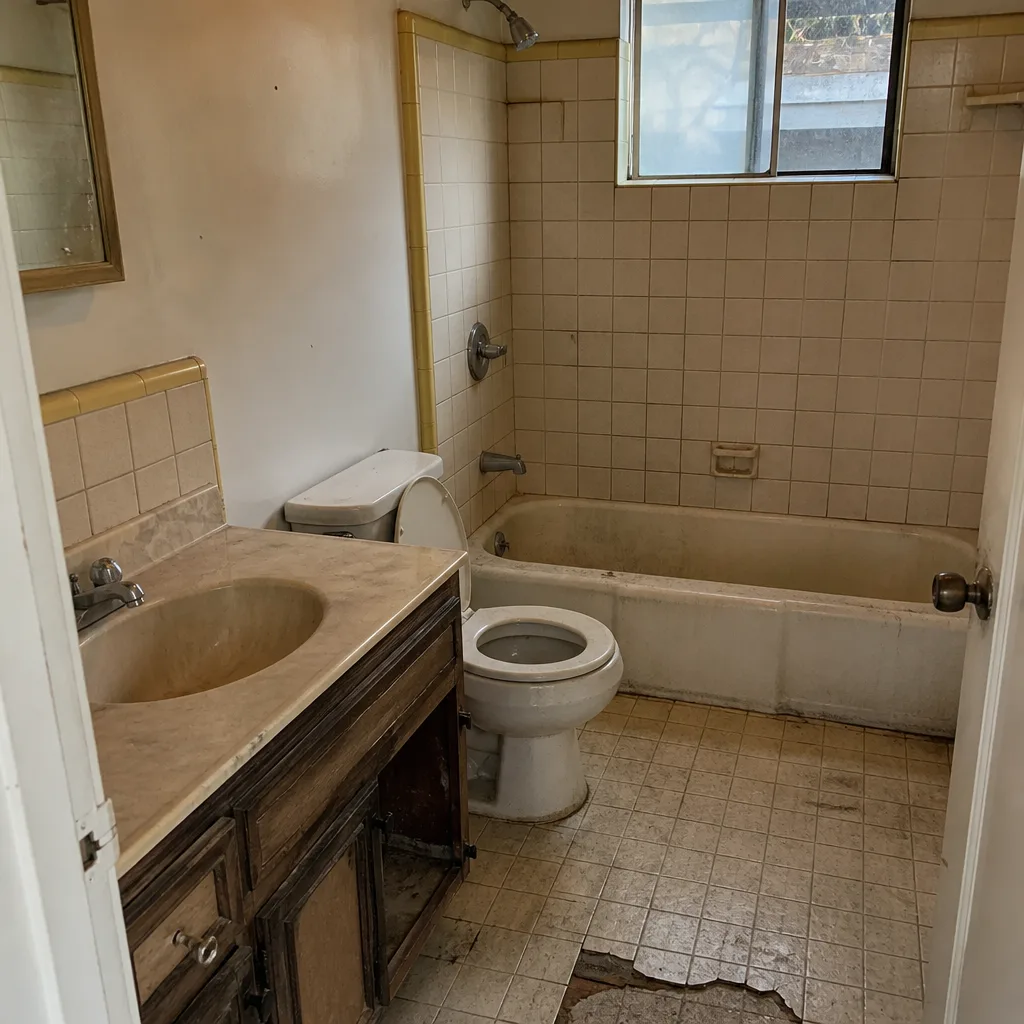 Before
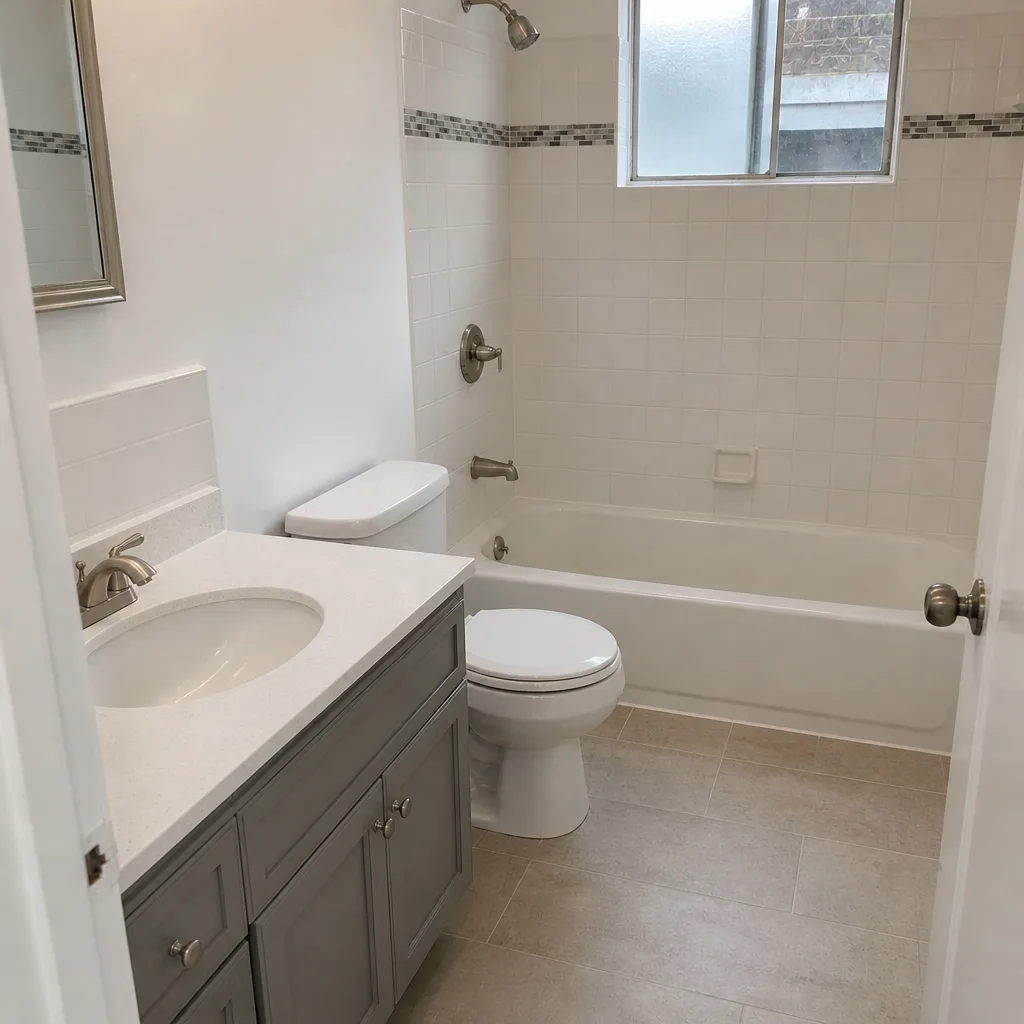 After
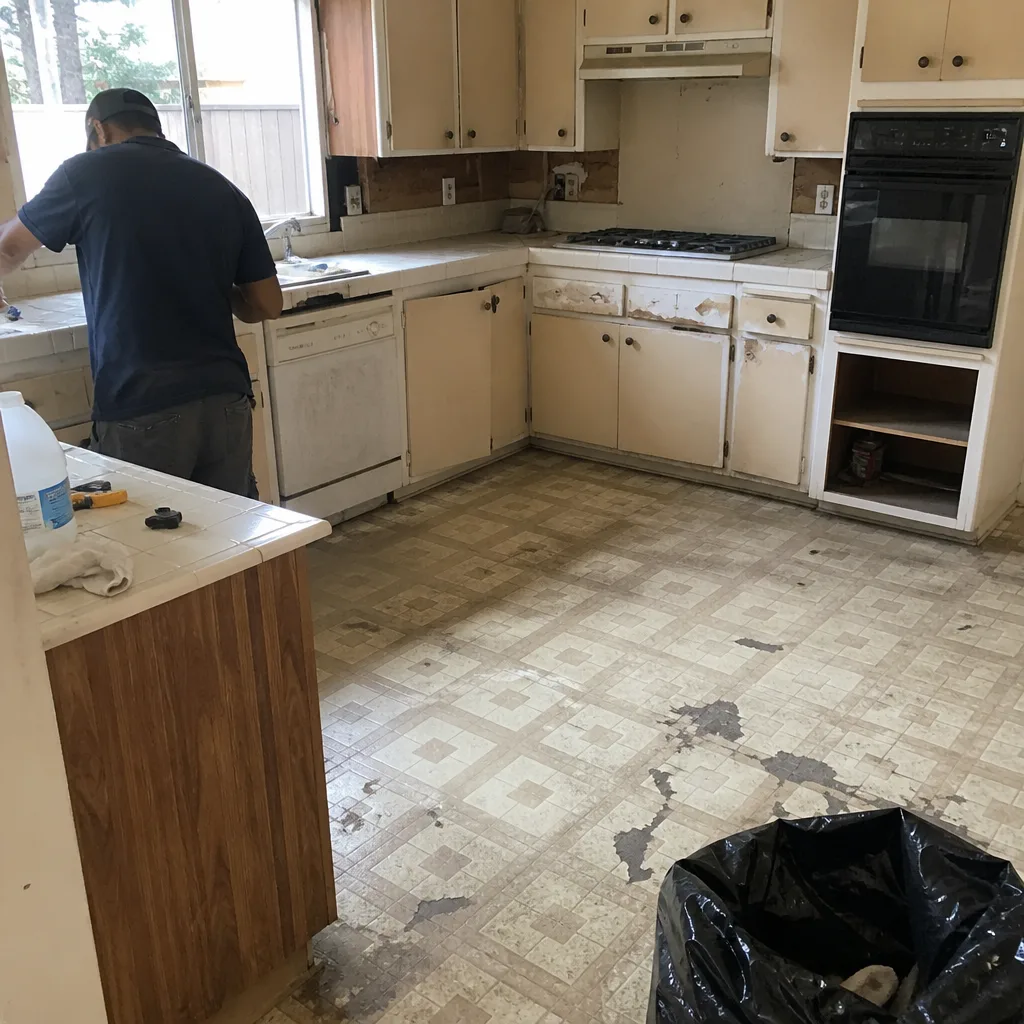 Before
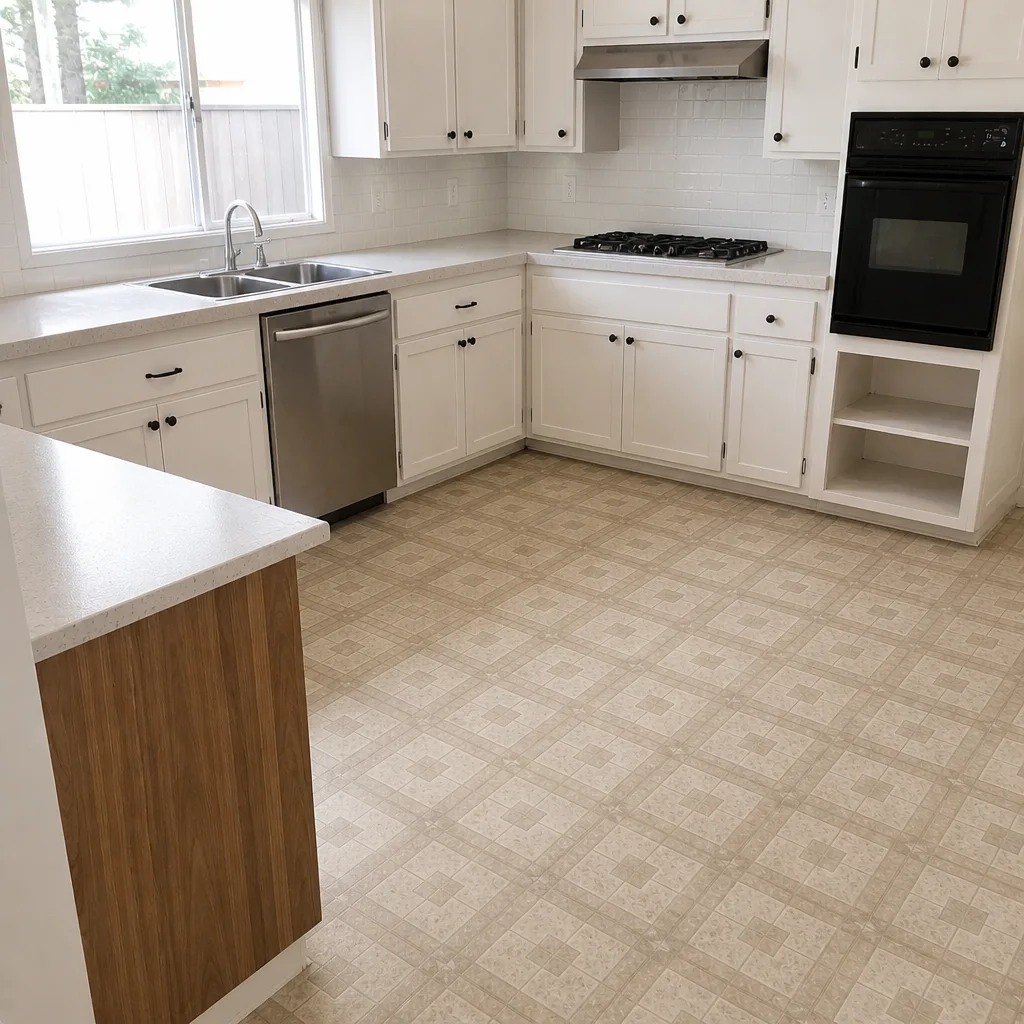 After
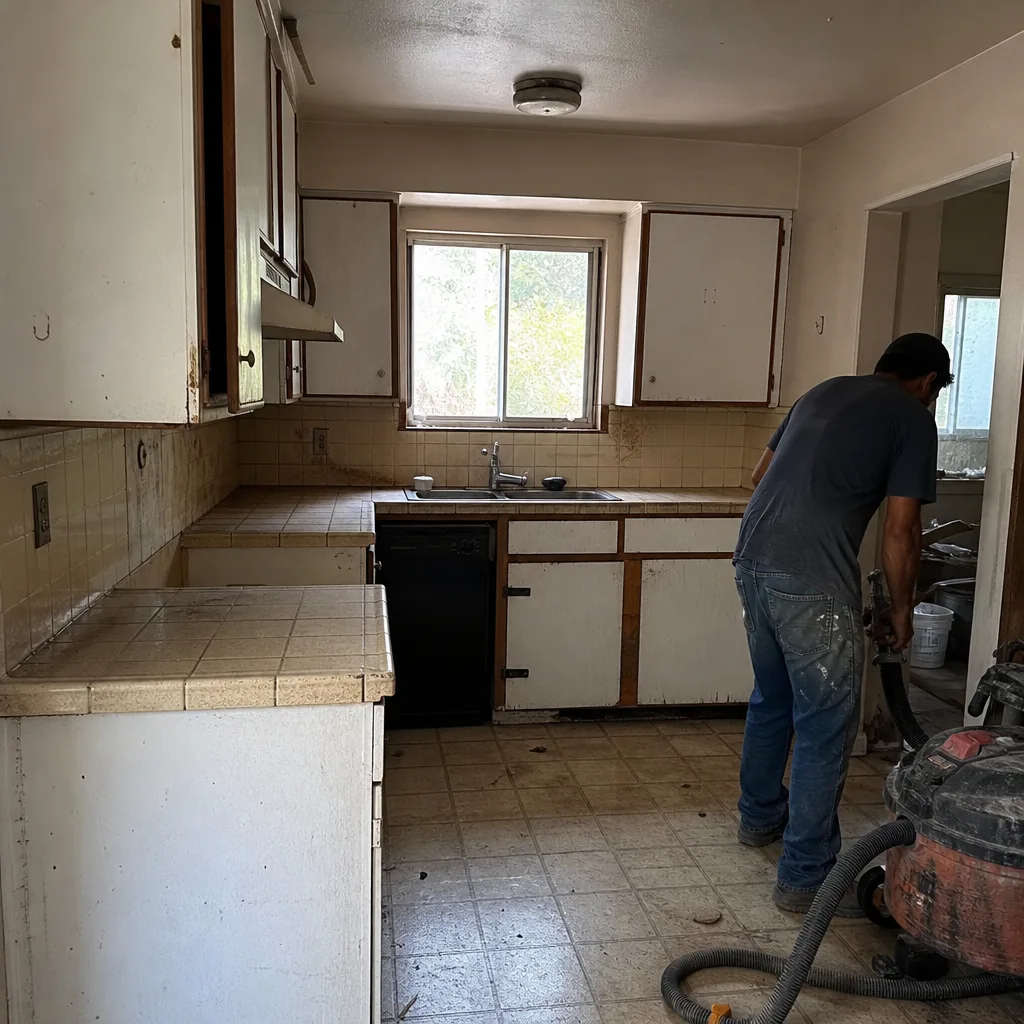 Before
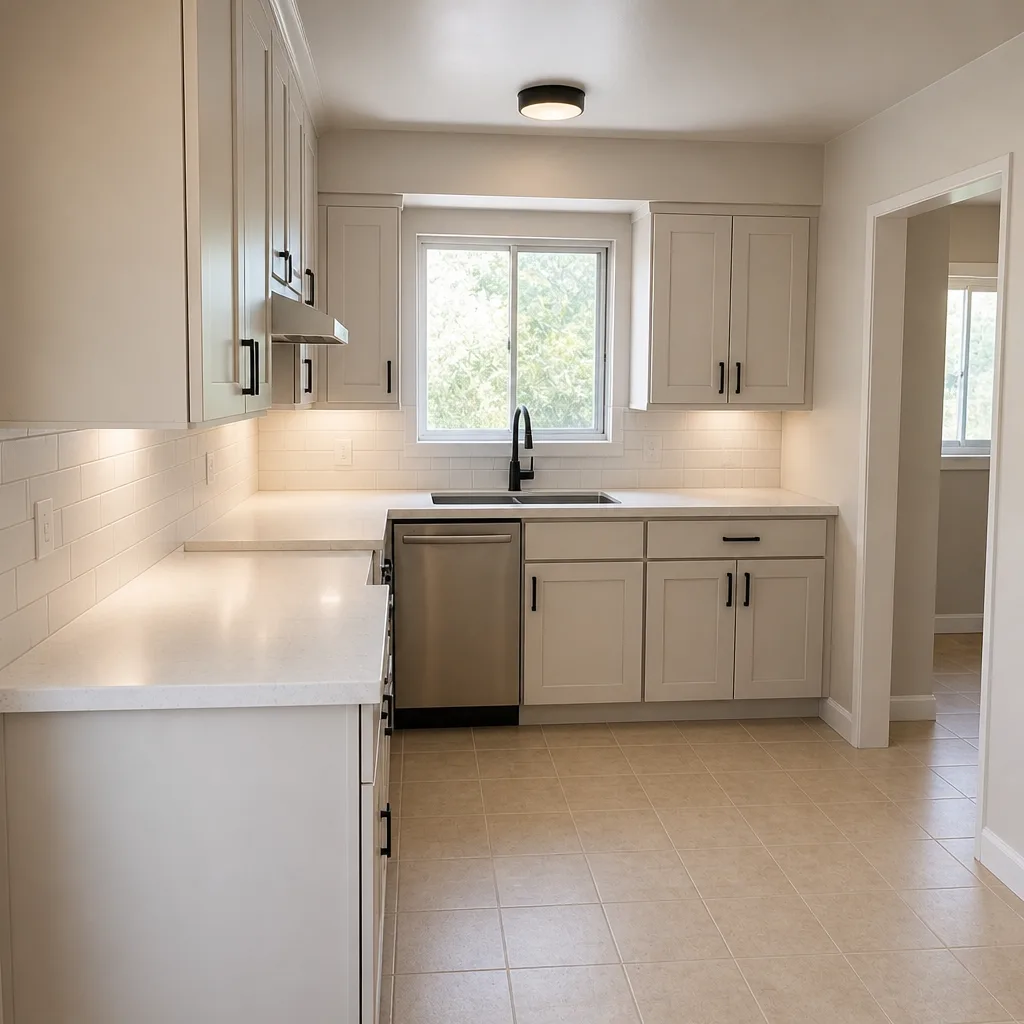 After
Frequently Asked Questions
Seasonal inspections and small maintenance items are typically the cheapest part of owning a home, and the cost depends on how many systems are being checked and which need work. A walk-through with a contractor, joint sand refill on a patio, sealer reapplication, and downspout adjustments are each individual line items. Larger items like base correction on a paver field or a retaining wall assessment are priced based on the scope the inspection turns up. Call (833) 954-6131 for an exact quote. The estimate is free and the written estimate sets the final price.
Yes, and the reason is the concentration of rainfall, not the total. Most of Burbank’s 19 inches of annual rain arrives in a few heavy events, and a French drain that has collected sediment through the dry season will fail at the worst possible moment. A pre-winter inspection takes roughly an hour and is the single most valuable maintenance task on the property. Call (833) 954-6131 to schedule an inspection before the first big rain.
Usually yes, if it’s an isolated cosmetic bloom that appears once after a wet season. Use an efflorescence-specific cleaner rather than a generic acid, work in a small test area first, and use a stiff brush rather than high-pressure washing. If the bloom returns to the same area quickly, stop cleaning and call a contractor – recurrent efflorescence is a sign water is moving through the material and the source needs to be found. Call (833) 954-6131 if it recurs.
Base failure from water intrusion, more than any other single cause. Joint sand that has washed out lets water into the base layer, and after a heavy winter event, the pavers over the compromised section will settle or shift. The fix depends on how deep the water went. Small areas can sometimes be lifted and rebased; large areas need a more substantial reconstruction. Either way, joint sand maintenance through the fall and winter is what prevents the base from failing in the first place. Call (833) 954-6131 for an assessment if you’re seeing settlement.
Do the water test: drop a small amount of water on the surface. If it beads up and sits, the sealer is still working. If it soaks in within seconds, it’s time to plan a reapplication. The manufacturer’s recommended interval matters too. Sealer is a sacrificial layer, and skipping a cycle means UV damage reaches the material underneath. If the surface has faded or developed a chalky look, don’t wait for the water test to fail. Call (833) 954-6131 to plan the work.
Yes, particularly for fencing, roof edges, and anything that has already lost its footing. Santa Ana events bring sustained gusts that put more lateral load on exterior elements than a typical storm, and the vulnerable items are the ones that have already started to give way. A pre-season inspection that walks the property and catches a loose fence post or a slightly lifted shingle before the wind is what keeps the problem from becoming a much larger one. Call (833) 954-6131 for a pre-season inspection.
The Bottom Line
Burbank’s mild climate is misleading, and the four seasonal cycles here are distinct enough to demand their own calendar. Fall is wind prep for hardscaping, retaining walls, and exterior surfaces. Winter is drainage and joint integrity. Spring is assessment of everything winter exposed. Summer is sealer condition, expansion gaps, and heat care on materials. The homeowner who does a one-hour walk in fall and again in early spring catches nearly everything before it escalates. The homeowner who doesn’t often ends up with a bigger, more expensive project the following season. Use this guide as your calendar, not just a read.
Get a Free Seasonal Assessment
The single most useful thing you can do after reading this guide is have someone walk the property with you, in the season it needs it. Construction Burbank handles all seven major home improvement categories under one contractor relationship, from driveway and pavers to roofing, windows, kitchen, bathroom, fencing, and additions and ADUs, so a seasonal assessment doesn’t turn into five phone calls. We guide homeowners through material selection when repairs are needed, matching the right product to the site, the climate, and the budget. Call (833) 954-6131 for a free estimate. We answer 24/7. Fast dispatch from 7am to 7pm, Sunday through Friday. The written estimate sets the price.
Written by the team at Construction Burbank.